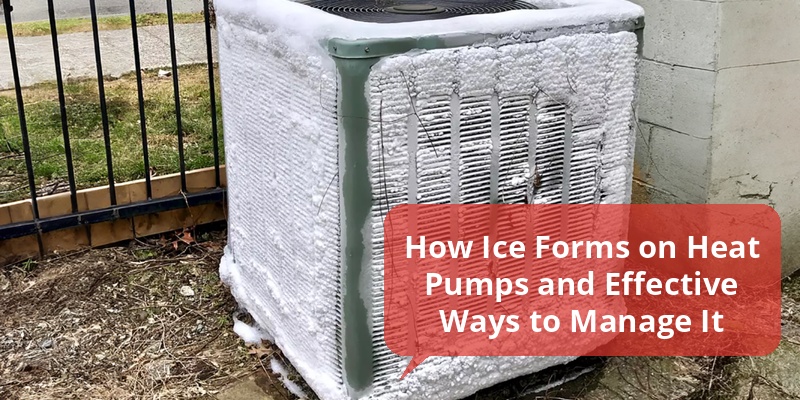
Heat pumps are an efficient and increasingly popular solution for heating and cooling homes. However, one common issue that homeowners encounter is the formation of ice on the outdoor unit. Ice on heat pumps can interfere with performance, cause energy inefficiency, and sometimes damage the equipment if not addressed properly. Understanding why ice forms and how to prevent or remove it is essential to maintaining an effective heat pump system.
| Aspect | Key Points |
|---|---|
| Cause of Ice Formation | Moisture condensation during outdoor cold weather, frost buildup during defrost cycles, or blocked airflow |
| Impact on Heat Pump | Reduced heating efficiency, increased energy use, potential mechanical strain |
| Defrost Cycle | Automatic heating function to melt ice during operation |
| Prevention Techniques | Regular upkeep, clear airflow, professional maintenance |
| Safe Ice Removal | Avoid mechanical force, rely on defrost cycles or expert servicing |
Why Does Ice Form on Heat Pumps?
Heat pumps extract heat from the outdoor air, even in cold conditions. When outdoor temperatures drop below freezing and humidity is present, moisture in the air can condense and freeze on the heat pump’s outdoor coils and surfaces. This ice formation is a natural physical response that takes place especially during heating mode in chilly and damp conditions.
A critical factor is the heat pump’s defrost cycle, designed to periodically warm the outdoor coil and melt any ice buildup. However, if the cycle is malfunctioning or external conditions cause excessive frost, ice can accumulate excessively. Blocked or restricted airflow caused by dirt, leaves, or snow can worsen the icing problem by lowering heat transfer efficiency.
How Ice on Heat Pumps Affects Performance
Ice accumulation on heat pumps leads to several performance issues. First, it decreases the ability of the unit to transfer heat from outside air, causing the system to work harder and less efficiently. This results in increased electricity consumption and higher utility bills.
Moreover, thick ice can physically block air movement through the unit, contributing to overheating or mechanical wear. In severe or prolonged cases, ice buildup may damage components like coils or fans, leading to costly repairs or a shortened lifespan for the heat pump.
Preventing and managing ice buildup is essential for maintaining the reliability and energy efficiency of the system.
The Heat Pump Defrost Cycle Explained
Modern heat pumps incorporate an automatic defrost cycle to minimize ice buildup. This cycle temporarily reverses the refrigeration process, sending warm refrigerant to the outdoor coil to melt accumulated frost or ice. The defrost cycle typically activates at periodic intervals or when sensors detect icy conditions.
During the defrost cycle, the heat pump may temporarily stop heating the home to allow effective ice melting. Once the ice has melted, the system returns to regular heating operation. This defrost function helps maintain peak unit efficiency and prolongs equipment life by preventing excessive ice buildup.
Common Causes of Excessive Ice Formation
- Poor Airflow: Dirty coils, blocked vents, or debris around the unit prevent proper air circulation.
- Low Outdoor Temperatures: Prolonged freezing weather increases ice buildup risk.
- Faulty Defrost Cycle: Malfunctioning sensors or valves can stop the defrost process from initiating.
- Incorrect Installation: Poor unit placement or improper refrigerant charge can contribute to icing problems.
- High Humidity: Moist air during cold weather leads to more frost accumulation.
Steps to Prevent Ice Build-Up on Heat Pumps
Maintaining a heat pump to minimize ice buildup involves several straightforward actions homeowners can take. Proper routine care and monitoring are paramount:
- Regular Cleaning: Keep the outdoor unit free from dirt, leaves, ice, and snow to allow unrestricted airflow.
- Clear Surroundings: Trim vegetation and avoid placing objects too close to the unit that could block air movement.
- Professional Maintenance: Schedule annual HVAC inspections to check refrigerant levels, defrost cycle functionality, and system health.
- Proper Installation: Ensure the unit is installed with adequate clearance and according to manufacturer guidelines.
- Use a Cover in Off-Season: Consider removable covers during the summer to avoid debris but avoid covering during operation to prevent damage.
Safe Methods to Remove Ice From Heat Pumps
If ice does form, it’s important to approach removal carefully. Avoid using sharp tools or applying excessive force as that can damage coils or fins.
- Let the Defrost Cycle Work: Usually, allowing the heat pump to run its defrost function will melt ice safely.
- Turn Off the Unit: During heavy ice buildup, switch off the unit to stop operation and melt ice naturally or with warm water applied gently.
- Use Warm Water: Gently pour warm (not hot) water to accelerate melting, avoiding high pressure or force.
- Call a Professional: For persistent or thick ice, qualified HVAC technicians can diagnose underlying issues and safely clear ice.
How to Monitor Heat Pump for Ice Problems
Regular observation can prevent severe issues. Homeowners should:
- Check the outdoor unit weekly during cold months for visible ice or frost.
- Observe heating performance and unusual energy consumption spikes.
- Listen for abnormal noises during operation potentially linked to mechanical frosting.
- Schedule prompt professional service if ice buildup recurs or worsens.
Technological Advances for Ice Prevention in Heat Pumps
Modern heat pump designs increasingly integrate smart technology to optimize performance in icy conditions. Some advancements include:
- Enhanced Sensors: More precise frost and temperature sensors allow timely and efficient defrost cycles.
- Variable Speed Compressors: These adapt to changing outdoor conditions, reducing ice risk.
- Improved Coil Coatings: Hydrophobic and anti-frost coatings help limit moisture accumulation.
- Smart Controls and Apps: Remote monitoring and control enable homeowners to detect issues early and adjust settings.
FAQs About Ice on Heat Pumps
| Question | Answer |
|---|---|
| Is it normal for ice to form on my heat pump? | Yes, light frost during cold, humid conditions is typical and managed by the defrost cycle. |
| Can I remove the ice myself? | Small amounts can be safely melted using warm water, but avoid damaging the unit and call professionals if unsure. |
| What causes excessive ice on a heat pump? | Poor airflow, faulty defrost cycle, or unusually low temperatures can cause heavy ice buildup. |
| How often should I have my heat pump serviced? | Annual maintenance is recommended to ensure efficient operation and prevent ice problems. |
| Does ice affect the lifespan of a heat pump? | Prolonged and excessive ice can cause damage leading to reduced system longevity. |