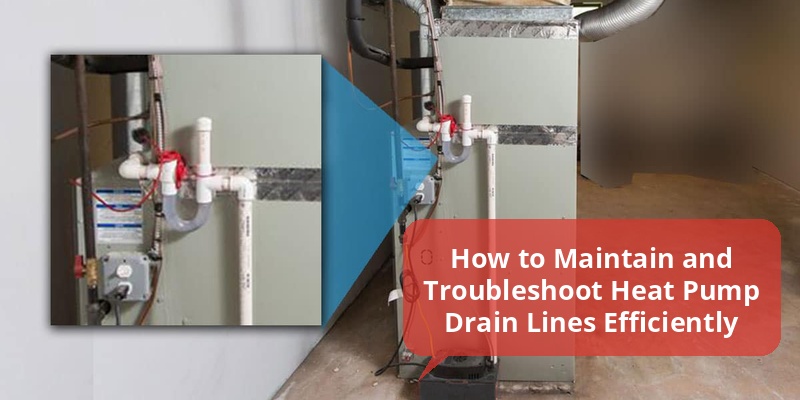
Heat pump drain lines play a critical role in the overall operation and efficiency of heating and cooling systems by safely removing condensate water. Proper maintenance of these drain lines is essential to prevent water damage, system malfunctions, and potential health hazards. This article explores the purpose, common issues, maintenance tips, and troubleshooting techniques for heat pump drain lines.
| Aspect | Details |
|---|---|
| Function | Removes condensate water generated by the heat pump to prevent moisture buildup |
| Common Problems | Clogs, leaks, algae growth, freezing |
| Maintenance Tips | Regular flushing, cleaning, inspection, and ensuring proper slope |
| Troubleshooting | Identifying blockages, leaks, and drainage issues with step-by-step fixes |
What Is A Heat Pump Drain Line And Why Is It Important?
A heat pump drain line is a crucial component designed to channel condensate water away from the indoor unit of a heat pump. During operation, heat pumps extract humidity from the air, producing water as a byproduct. This water must be removed efficiently to prevent water damage, mold growth, and mechanical failures. Without a properly functioning drain line, excess moisture can accumulate, causing costly repairs and reduced system efficiency.
Common Issues With Heat Pump Drain Lines
Heat pump drain lines are prone to several problems over time, primarily due to their exposure to moisture and debris. Understanding these common issues helps in early detection and prevention.
- Clogs and Blockages: Dirt, dust, and algae can accumulate inside the line, leading to restricted water flow.
- Leaks: Cracks or loose fittings can cause water to leak, potentially damaging surrounding structures.
- Algae and Mold Growth: Warm, moist environments inside the drain line are ideal for biological growth, which can block the flow.
- Freezing: In colder climates, condensate can freeze inside the drain line, causing cracks and blockages.
How To Maintain Heat Pump Drain Lines Regularly
Proper maintenance is the key to ensuring the longevity and functionality of heat pump drain lines. Regular care can prevent many common problems and ensure smooth operation.
Step-By-Step Maintenance Routine
- Inspect Drain Line: Visually check the drain pipe and fittings for any signs of cracks, leaks, or damage.
- Flush The Line: Pour a mixture of water and vinegar or a commercial cleaner down the drain line to dissolve algae and debris.
- Clear The Trap: Remove and clean the condensate trap to eliminate settled dirt and blockage.
- Ensure Proper Slope: Confirm that the drain line slopes downward away from the unit to facilitate proper drainage.
- Install Safety Measures: Consider installing a float switch to shut off the heat pump if water backs up in the drain pan.
Recommended Cleaning Frequency
At least every 3 to 6 months, homeowners should clean and inspect their heat pump drain lines, especially in humid areas where algae growth is more common. In colder regions, pre-winter inspection is essential to prevent freezing damage.
Troubleshooting Heat Pump Drain Line Problems
When signs of drainage problems appear, prompt troubleshooting can help avoid extensive damage. Common indicators of issues include water pooling around the unit, unpleasant odors, or system error codes.
How To Identify And Fix Drain Line Clogs
- Symptom: Water leaking around the indoor unit or drain pan overflow.
- Cause: Blockages caused by algae, mold, or debris.
- Fix: Use a wet/dry vacuum at the drain line opening to suck out debris or flush with a vinegar solution.
Dealing With Leaks And Cracks
- Symptom: Visible water leaks or dampness near piping.
- Cause: Cracked drain line or loose connections.
- Fix: Replace damaged sections of pipe and secure all fittings tightly with waterproof sealant if necessary.
Preventing And Managing Freeze Damage
- Symptom: Drain lines cracking or ice buildup visible on outdoor unit.
- Cause: Freezing temperatures causing condensate inside drain line to freeze.
- Fix: Insulate exposed pipes and consider installing a heat tape wrap on drain lines in cold climates.
Optimizing Heat Pump Drain Lines For Peak Performance
To ensure heat pump drain lines operate optimally, certain best practices can be adopted during installation and regular upkeep.
- Use Quality Materials: PVC or flexible drain lines resistant to algae and corrosion are recommended.
- Maintain Proper Slope: At least 1/4 inch per foot to facilitate effective water flow.
- Install Access Points: Cleanout ports can facilitate easier maintenance and inspection.
- Consider Upgrades: In humid regions, adding a condensate pump or secondary drain pan enhances safety.
When To Call A Professional HVAC Technician
Although many maintenance tasks can be handled by homeowners, certain circumstances require professional intervention.
- Persistent clogs or leaks unresolvable by basic cleaning.
- Evidence of water damage or mold inside walls or ceilings.
- Repeated system shutdowns triggered by drain line issues.
- Installation of complex safety devices like float switches or condensate pumps.
A licensed HVAC technician possesses the training and tools to diagnose hidden problems, perform thorough cleanings, and recommend system upgrades ensuring long-term reliability.