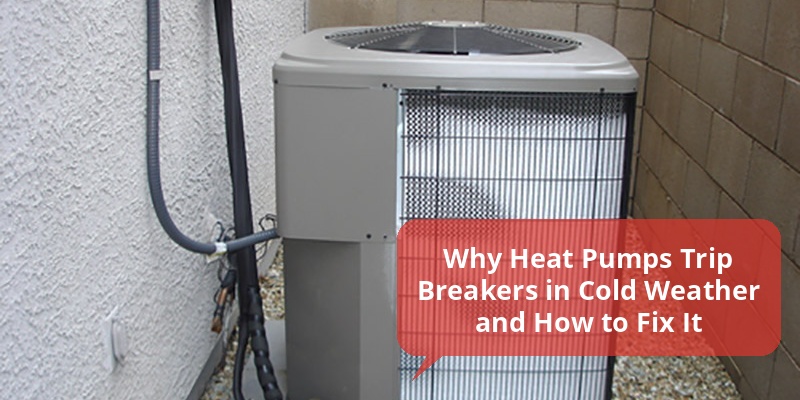
Heat pumps are a popular energy-efficient solution for heating and cooling homes, but many users encounter the problem of their heat pump tripping the circuit breaker during cold weather. This issue can disrupt home comfort and signal underlying problems with the system or electrical setup. Understanding why heat pumps trip breakers in winter conditions and knowing the practical steps to resolve this issue can help homeowners maintain efficient heating without interruptions.
| Common Causes of Heat Pump Breaker Trips | Recommended Solutions |
|---|---|
| Frozen or Iced Coil | Routine defrost cycle, check defrost control and sensors |
| Electrical Overload | Inspect circuit breaker rating, tighten wiring, reduce connected load |
| Compressor or Motor Issues | Professional inspection and possible repair or replacement |
| Low Refrigerant Levels | Refrigerant recharge by certified technician |
| Faulty or Worn Components | Regular maintenance and timely part replacements |
Why Heat Pumps Trip Breakers in Cold Weather
Heat pumps work by extracting heat from outdoor air, even when temperatures drop below freezing. However, during cold weather, they face additional strain and operational challenges that can cause circuit breakers to trip. This interruption protects the home’s electrical system from damage but indicates that the heat pump is drawing excessive current or experiencing a fault. Key causes behind breaker tripping include:
- Ice Buildup on the Outdoor Coil: Moisture freezing on the coil increases resistance, forcing the compressor and fan motors to work harder, causing electrical overload.
- Electrical Component Failures: Capacitors, motors, and compressors may become faulty due to cold stress, leading to current spikes.
- Inadequate Electrical Setup: Undersized circuit breakers or loose wiring connections can cause nuisance trips under the increased load.
- Low Refrigerant Levels: Low refrigerant intensifies compressor load, increasing amperage draw and tripping breakers.
- Dirt and Debris Blockages: Obstructing airflow can cause the system to work inefficiently, increasing electrical demand.
How Cold Weather Affects Heat Pump Performance
Heat pumps are designed to operate efficiently in moderate cold, but temperatures below 25°F significantly affect their function. Ice accumulation on the outdoor unit is common, triggering the defrost cycle that temporarily reverses operation to melt ice. If this cycle malfunctions, ice buildup persists, severely reducing efficiency and increasing electrical load.
Additionally, compressors face higher pressure demands in cold weather, leading to increased electrical current consumption. This extra load combined with any electrical weaknesses can cause breakers to trip as a safety measure.
Common Electrical Issues Causing Breaker Trips
Undersized Circuit Breaker or Panel
Many homes may have circuit breakers rated too low for the current draw of a heat pump under extreme conditions. This results in nuisance tripping. Ensuring that the circuit breaker rating matches the heat pump’s requirements is essential for reliable operation.
Loose or Corroded Wiring Connections
Loose wiring can cause intermittent short circuits or increased resistance, leading to heat buildup and breaker trips. Regular inspection and tightening of electrical terminals are critical maintenance steps.
Faulty Capacitors or Motors
Malfuctioning start capacitors increase the electrical load on compressors and fans, often causing breakers to trip during startup. Motors with worn bearings or internal shorts also draw excess current, triggering protective devices.
Diagnosing Heat Pump Breaker Trips in Cold Weather
Proper diagnosis involves systematically checking both electrical and mechanical components. Safety is a priority when working with electrical equipment, so professional help is recommended unless the homeowner is qualified.
- Check for Ice Accumulation: Inspect the outdoor coil for frost or ice during cold weather.
- Measure Electrical Current: Use a clamp meter to compare compressor and fan motor amperage to manufacturer specifications.
- Inspect Circuit Breaker Rating: Verify the breaker size matches the heat pump’s electrical demands.
- Visual and Physical Wiring Inspection: Look for loose, burnt, or corroded wires.
- Evaluate Defrost Cycle Functionality: Ensure the defrost thermostat and control board work properly.
Effective Solutions to Prevent Heat Pump Breaker Trips
Upgrade Electrical Components
When breakers trip frequently, upgrading to a higher-rated breaker approved by local codes usually resolves the issue. Additionally, upgrading the electrical panel or adding dedicated circuits can reduce overload risks.
Maintain Defrost System
Ensuring the defrost system works correctly prevents prolonged ice buildup. Replace faulty defrost sensors or control boards promptly. Regularly cleaning outdoor coils also improves airflow and reduces icing.
Routine Heat Pump Maintenance
Preventive maintenance reduces electrical strain by keeping components in optimal condition. This includes lubricating motors, checking capacitors, cleaning coils, replacing dirty air filters, and filling refrigerant as needed.
Electrical Wiring and Connections Check
Periodic inspections and repairs of electrical wiring prevent shorts and resistance buildup. Tightening connections, replacing damaged wires, and using proper wiring methods enhance safety and reliability.
Professional HVAC Service
Engaging certified HVAC technicians provides thorough diagnostics and repairs that ensure heat pumps operate safely in cold climates. Professionals can accurately identify electrical and mechanical faults that homeowners might overlook.
Tips to Optimize Heat Pump Performance in Cold Weather
- Use a programmable thermostat to avoid unnecessary overcycling.
- Supplement heating with a secondary heat source during extreme cold to reduce heat pump strain.
- Clear snow and debris from around the outdoor unit regularly.
- Install a heat pump cover or enclosure that does not block airflow but protects from harsh elements.
- Schedule annual professional inspections before cold season begins.
When to Call a Professional
Heat pump breaker trips that persist after basic troubleshooting indicate deeper electrical or mechanical problems. Contacting an HVAC professional is crucial if:
- Breakers trip multiple times under normal operating conditions.
- There are visible signs of electrical damage or burning smell.
- The defrost cycle does not operate correctly despite reset attempts.
- System performance declines with cold weather despite cleaning and maintenance.
Attempting repairs without electrical expertise can be dangerous and cause costly damage. Professional service guarantees compliance with safety codes and enhances system longevity.