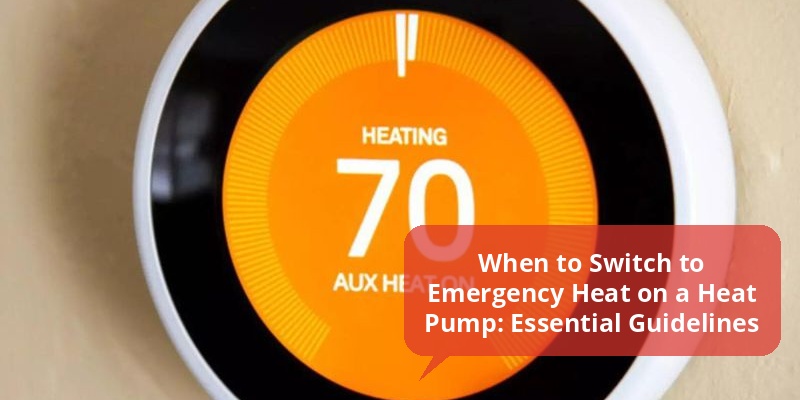
Heat pumps are an energy-efficient option for heating homes, but they sometimes require additional support during extreme cold. Knowing when to switch to emergency heat on a heat pump is crucial for maintaining comfort and preventing system damage. This article provides an in-depth guide to help homeowners understand emergency heat operation, appropriate usage scenarios, and how to optimize energy efficiency during cold weather.
| Topic | Key Insight |
|---|---|
| Emergency Heat Definition | Secondary heating mode for extreme cold or heat pump failure |
| When to Use | During very low temperatures or if the primary heat pump fails |
| How to Switch | Use thermostat settings or manual override switches |
| Energy Considerations | Less efficient and more costly to run, intended as backup |
| Maintenance Tips | Regular system checks ensure smooth heat pump and emergency heat operation |
Understanding Emergency Heat on a Heat Pump
A heat pump typically extracts heat from outside air to warm a home efficiently. However, during extremely low temperatures, a heat pump’s ability to extract heat diminishes. Emergency heat, also called auxiliary heat or backup heat, is designed to supplement the primary heat source—usually via electric resistance heaters or a fossil fuel furnace integrated with the system.
This mode activates automatically in some systems, but manual intervention via the thermostat is often necessary. Emergency heat operates independently of the heat pump’s outdoor unit, using a different heating element to maintain warmth.
When To Switch to Emergency Heat
Extreme Cold Conditions
Heat pumps become less efficient when outdoor temperatures fall below 35-40°F. If temperatures drop significantly below this range, switching to emergency heat ensures consistent indoor comfort. For areas with harsh winters, emergency heat prevents the home from becoming too cold as the heat pump struggles to extract sufficient heat outdoors.
Heat Pump Malfunction or Failure
If the heat pump fails to operate correctly — due to mechanical or electrical issues — emergency heat serves as a reliable backup to maintain warmth. Signs of heat pump problems may include inadequate heating, unusual noises, or frequent cycling on and off.
After a Defrost Cycle
During defrost cycles, the heat pump temporarily reverses to melt ice buildup on the outdoor coil, which can momentarily reduce heating output. The system may activate emergency heat during this time to ensure steady indoor temperatures.
How to Switch to Emergency Heat Mode
Using the Thermostat
Most modern thermostats have an option to manually switch to emergency heat. This is often labeled as “EM Heat,” “Aux Heat,” or “Emergency Heat” on the control panel. Homeowners can activate it when necessary through simple settings adjustments.
Manual Switch Panel
Some heat pump systems include a physical switch near the indoor air handler to activate emergency heat. This offers an alternative if the thermostat lacks a direct control.
Automatic Activation
Advanced heat pumps automatically switch to emergency heat in extremely cold conditions or system malfunctions, minimizing homeowner intervention. However, manual control remains useful for troubleshooting or prolonged cold spells.
Energy Efficiency and Cost Considerations
Emergency heat typically uses electric resistance heating, which consumes more electricity and costs more to operate than the heat pump’s standard mode. This makes it important to use emergency heat sparingly and only when necessary.
Running emergency heat continuously can lead to substantial energy bills. Homeowners should rely on it only during the coldest weather or when the heat pump isn’t functioning properly.
| Heating Mode | Energy Efficiency | Cost Impact |
|---|---|---|
| Heat Pump Mode | High efficiency (300-400% efficient) | Lower operating costs |
| Emergency Heat Mode | Less efficient (around 90-100%) | Higher electricity bills |
Best Practices for Maintaining Heat Pump and Emergency Heat Systems
Regular Maintenance
Keeping the heat pump well-maintained ensures it functions optimally, reducing the need to rely on emergency heat. Regularly clean filters, inspect outdoor units, and schedule professional HVAC servicing each year.
Thermostat Settings
Program the thermostat to avoid manual emergency heat use unless absolutely necessary. Some thermostats feature smart controls that optimize heating performance and reduce excessive energy consumption.
System Inspections
Check for refrigerant levels, electrical connections, and component wear frequently. Detecting and fixing minor problems early helps prevent emergency heat overuse.
Common Misconceptions About Emergency Heat
Many believe emergency heat should run constantly during cold days, but its role is strictly as a backup or for brief periods during extreme cold. Overusing emergency heat can damage the system and inflate energy costs.
Additionally, confusing auxiliary heat with emergency heat can lead to incorrect thermostat settings. Auxiliary heat supplements the heat pump when needed during moderate cold but switches off when conditions improve, while emergency heat is a last-resort heating option.
How Emergency Heat Impacts Overall Heating Strategy
Integrating emergency heat into a home’s heating strategy ensures uninterrupted warmth and system longevity. Homeowners in colder climates benefit from emergency heat as a safety net against heat pump inefficiency.
Using weather forecasts, thermostat programming, and regular maintenance together allows optimal use of heat pump and emergency heat systems, balancing comfort and energy efficiency effectively.