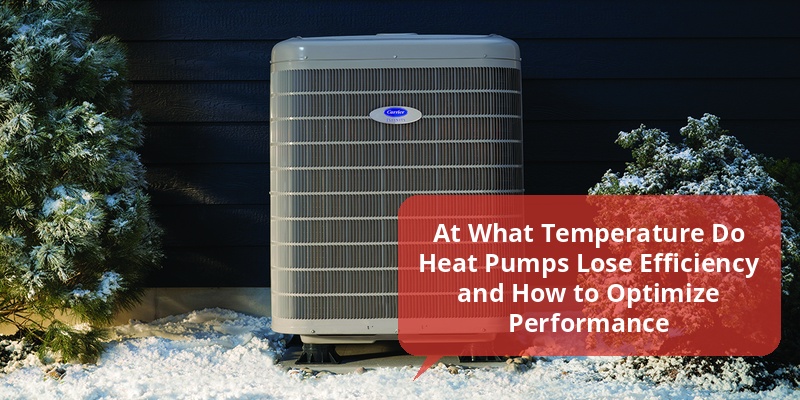
Heat pumps are a popular and energy-efficient solution for heating and cooling homes, but their efficiency depends heavily on outdoor temperatures. This article explores the specific temperatures at which heat pumps begin to lose efficiency, the reasons behind this decrease, and practical ways to maintain optimal performance throughout the year.
| Temperature Range (°F) | Heat Pump Efficiency | Impact on Heating Capability |
|---|---|---|
| Above 40°F | High Efficiency | Heat pumps operate near peak performance, providing efficient heating. |
| 20°F to 40°F | Moderate Efficiency | Efficiency starts to decline; supplemental heating may be needed. |
| Below 20°F | Significant Efficiency Loss | Heat pumps struggle, often requiring backup heating systems. |
How Heat Pumps Work and Why Temperature Matters
A heat pump functions by extracting heat from outside air and transferring it indoors for heating, or reversing the process to provide cooling. Because it relies on ambient air temperature, its efficiency is inherently sensitive to weather conditions. When outdoor temperatures drop, especially below freezing point, there’s less heat energy available to extract, which leads to reduced efficiency.
Understanding these temperature impacts helps homeowners anticipate performance changes and optimize their heating system’s operation during colder months.
At What Outdoor Temperature Do Heat Pumps Start Losing Efficiency?
Heat pumps generally maintain high efficiency when outdoor temperatures are above 40°F. Efficiency begins to decline once temperatures fall below 40°F (around 4°C), with a notable drop occurring when the temperature dips below 20°F (-6°C). At this point, the system struggles to extract sufficient heat from the cold air, forcing it to work harder and consume more energy.
Most modern heat pumps are designed to operate efficiently down to about 25°F (-4°C), but below this range, supplemental heating sources become important to maintain indoor warmth.
What Happens When Temperatures Drop Below Freezing?
As outdoor temperatures fall below freezing (32°F or 0°C), several factors reduce heat pump efficiency:
- Reduced Heat Extraction: Colder air contains less heat energy, making it challenging for the heat pump to absorb sufficient warmth.
- Increased Energy Consumption: The compressor works harder to maintain the desired indoor temperature, raising electricity use.
- Defrost Cycles: Frost buildup on outdoor coils triggers defrost cycles, temporarily reducing heating efficiency.
- Need for Auxiliary Heat: Many systems switch on electric resistance heaters or backup furnaces when heat pump output is insufficient.
This combination causes the heat pump’s efficiency to decline significantly in subfreezing temperatures.
Which Types of Heat Pumps Perform Better in Cold Weather?
Not all heat pumps behave the same in cold climates. Some types are better suited to maintain efficiency at lower temperatures:
- Cold Climate Heat Pumps: Specifically engineered with enhanced compressors and improved refrigerants, they operate efficiently down to -15°F (-26°C).
- Ground-Source (Geothermal) Heat Pumps: These use stable underground temperatures, ensuring consistent efficiency regardless of outdoor air temperature.
- Dual-Fuel Systems: These integrate heat pumps with gas or oil furnaces, optimizing performance based on outdoor conditions.
Tips to Optimize Heat Pump Efficiency Throughout the Year
Homeowners can implement strategies to minimize efficiency loss during colder months and maximize performance:
- Regular Maintenance: Clean or replace filters, check refrigerant levels, and inspect outdoor coils for debris or ice buildup.
- Proper Insulation: Improve home insulation and seal air leaks to reduce indoor heat loss.
- Use Smart Thermostats: Adjust settings to balance comfort and energy savings, particularly during extreme cold.
- Supplemental Heating: Consider backup heating options for very cold periods, especially if in a harsh winter climate.
- Upgrade to Cold Climate Models: If efficiency loss is significant, upgrading to a cold climate or geothermal heat pump can provide better performance and lower energy costs.
Understanding Seasonal Energy Efficiency Ratio (SEER) and Heating Seasonal Performance Factor (HSPF)
To measure heat pump efficiency, the Seasonal Energy Efficiency Ratio (SEER) applies to cooling performance, while the Heating Seasonal Performance Factor (HSPF) measures how effectively a heat pump heats over a season.
Higher HSPF values indicate better cold-weather efficiency. When selecting heat pumps for colder climates, focus on models with increased HSPF ratings to ensure minimal efficiency loss during low temperatures.
Common Myths About Heat Pump Efficiency at Low Temperatures
Several misconceptions surround heat pump performance in cold weather:
- Myth: Heat pumps don’t work at all in freezing temperatures.
Fact: Modern heat pumps can function effectively at temperatures well below freezing, though efficiency declines progressively. - Myth: Heat pumps always cost more to run in winter than furnaces.
Fact: Heat pumps typically use less energy but supplemental heating during severe cold can add to costs. - Myth: Defrost cycles reduce heat output dramatically.
Fact: Defrost cycles are typically brief and automatically optimized to minimize impact.
Energy Savings Potential and Environmental Benefits
Despite some efficiency loss in cold weather, heat pumps generally provide substantial energy savings compared to traditional heating methods. By using ambient heat, they reduce reliance on fossil fuels and lower greenhouse gas emissions. New technologies continue to improve their cold-weather capabilities, enhancing their environmental benefits across diverse climates.