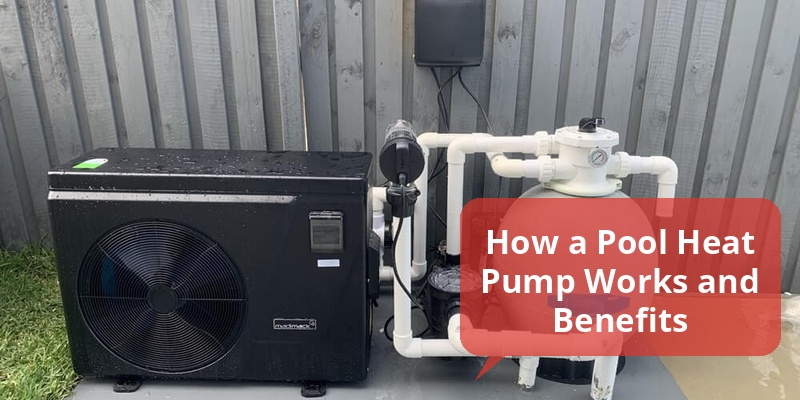
Swimming pool owners in the United States increasingly choose pool heat pumps to extend their swimming season and maintain comfortable water temperatures efficiently. A pool heat pump is a device that uses electricity to transfer heat from the air to the pool water, providing cost-effective and eco-friendly heating. Unlike traditional gas heaters, heat pumps rely on ambient air temperature, making them a sustainable choice for pool heating. This article explores the functionality, benefits, installation considerations, and maintenance of pool heat pumps, catering to American homeowners looking to enhance their pool experience.
| Feature | Description |
|---|---|
| Heat Transfer Method | Extracts heat from air, transfers to pool water |
| Energy Efficiency | Uses ambient air energy, significantly lowers electricity usage |
| Installation | Requires adequate airflow, near pool equipment |
| Ideal Conditions | Air temperature above 50°F for optimal performance |
| Maintenance | Regular filter and coil cleaning |
What Is a Pool Heat Pump and How Does It Work?
A pool heat pump is a heating device that warms pool water by transferring heat from the surrounding air. It operates on the principle of refrigeration but in reverse. The pump contains a refrigerant that absorbs heat from the outside air, compresses it to increase the temperature, and then transfers this heat to the pool water via a heat exchanger.
This process allows the heat pump to produce more heat energy than the electrical energy it consumes, making it highly energy-efficient. It differs from gas or electric resistance heaters that generate heat directly through combustion or electrical resistance.
Benefits of Using a Pool Heat Pump
Pool heat pumps offer several advantages that make them attractive options for many American homeowners:
- Energy Efficiency: Heat pumps typically have a coefficient of performance (COP) of 5 or higher, meaning they generate up to 5 units of heat for every unit of electricity used.
- Cost Savings: Reduced electricity consumption translates into lower energy bills compared to traditional electric heaters.
- Environmentally Friendly: By utilizing ambient heat and consuming less power, heat pumps reduce greenhouse gas emissions.
- Long Lifespan: Properly maintained heat pumps can last 10-20 years, ensuring long-term value.
- Consistent Heating: Heat pumps maintain steady water temperatures without the temperature spikes common with gas heaters.
- Extended Swimming Season: They enable swimming in cooler months where outdoor temperature permits.
Pool Heat Pump Installation Requirements
Proper installation is crucial for maximizing the performance of a pool heat pump. Key considerations include:
- Location: The heat pump should be installed in an area with good airflow, free from obstructions.
- Proximity to Pool Equipment: Position it close to the filter and pump to minimize plumbing costs and heat loss.
- Electrical Supply: Ensure the location has adequate power supply that matches the heat pump’s specifications.
- Elevation and Drainage: Install on a solid, level base with good drainage to prevent water damage.
- Noise Level: Consider neighborhood noise regulations, as some models produce moderate sound during operation.
Factors Affecting Pool Heat Pump Performance
The efficiency and output of a pool heat pump depend on several environmental and operational factors:
- Air Temperature: Heat pumps work best when air temperatures are above 50°F. Performance drops significantly in colder climates.
- Humidity: Moderate to high humidity can improve heat pump efficiency because moist air contains more heat.
- Pool Cover Usage: Using a pool cover reduces heat loss, making the heat pump’s task easier and more efficient.
- Pool Size: Larger pools require more heat output; selecting an appropriately sized heat pump is essential.
- Water Circulation: Efficient water flow through the heat exchanger improves heat transfer.
Maintenance Tips to Keep Your Pool Heat Pump Efficient
Routine maintenance ensures longevity and optimal performance of a pool heat pump. Recommended practices include:
- Clean Air Filters and Coils: Dust and debris reduce airflow and heating efficiency—clean monthly during use.
- Inspect Refrigerant Levels: Low refrigerant causes poor heating; professionals should check annually.
- Check Electrical Components: Ensure wiring and connections remain intact to prevent malfunctions.
- Keep Area Around Unit Clear: Remove leaves, grass, and debris regularly.
- Schedule Professional Servicing: Annual inspections can identify potential issues before they become costly problems.
Comparing Pool Heat Pumps With Other Heating Options
| Heating Option | Energy Source | Efficiency | Installation Cost | Operating Cost | Environmental Impact |
|---|---|---|---|---|---|
| Pool Heat Pump | Electricity (ambient air) | High (COP 5+) | Moderate | Low | Low emissions |
| Gas Heater (Natural Gas or Propane) | Fossil Fuel | Moderate | Low | High | High emissions |
| Electric Resistance Heater | Electricity | Low | Low | High | Moderate emissions |
| Solar Pool Heater | Solar Energy | High (dependent on sunlight) | High | Minimal | Zero emissions |
Cost Considerations for Pool Heat Pumps
The initial investment for a pool heat pump can range from $2,500 to $5,000 or more, including installation. While this is higher than some gas or electric options, the operational savings and energy efficiency often offset upfront costs within a few years.
Electricity rates and regional climate heavily influence cost-effectiveness. Homeowners in moderate to warm climates will see better returns. Using a pool cover and maintaining proper pump settings can also reduce heating expenses.
Choosing the Right Pool Heat Pump for Your Home
When selecting a pool heat pump, consider the following:
- Pool Size and Volume: Match the heat pump capacity to your pool’s volume for efficient heating.
- Climate Zone: Choose a model rated for your local average air temperatures.
- Energy Efficiency Ratings: Look for units with high COP and Energy Star certification.
- Noise Level: Choose a quieter model if noise could be an issue.
- Warranty and Support: Opt for reputable brands with strong warranty and customer service.
Environmental Impact of Using Pool Heat Pumps
Pool heat pumps offer a greener alternative to fossil fuel-powered heaters by leveraging renewable thermal energy from the air.
This technology reduces carbon emissions and helps homeowners lower their carbon footprint. Additionally, the longer lifecycle and energy efficiency contribute to sustainable pool management practices.
Innovations and Trends in Pool Heat Pump Technology
Recent advancements include:
- Variable Speed Compressors: Enhance efficiency by adjusting power based on heating demand.
- Smart Controls: Integration with home automation allows remote temperature monitoring and adjustments.
- Improved Refrigerants: Use of environmentally friendly refrigerants with lower global warming potential (GWP).
- Compact Design: Smaller footprints facilitate easier installation in tight spaces.