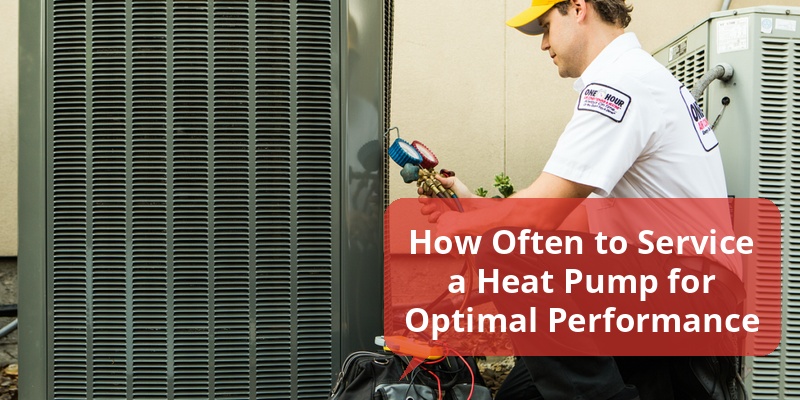
Regular servicing of a heat pump is essential to ensure efficient operation, extend its lifespan, and maintain indoor comfort. Knowing how often to service a heat pump helps homeowners avoid unexpected breakdowns and costly repairs. This guide outlines the recommended service frequency, key maintenance tasks, and factors influencing service intervals for heat pumps, providing comprehensive insights for American homeowners prioritizing HVAC reliability.
| Service Interval | Recommended Frequency | Key Tasks |
|---|---|---|
| Professional Inspection | Annually | System check, refrigerant levels, electrical connections, thermostat calibration |
| Filter Replacement | Every 1-3 Months | Clean or replace air filters for airflow and air quality |
| Coil Cleaning | Annually | Evaporator and condenser coil cleaning to improve heat transfer |
| General Maintenance | Seasonally | Clear debris, check drainage, lubricate moving parts |
Recommended Service Frequency for Heat Pumps
Heat pumps benefit most from annual professional servicing to maintain peak efficiency and prevent major breakdowns. A yearly inspection by a certified HVAC technician includes a detailed assessment of key components such as refrigerant levels, compressor function, electrical connections, and thermostat accuracy. Homeowners should schedule these inspections before the heating or cooling season to prepare the system for high-demand periods.
In addition to professional servicing, routine maintenance tasks conducted by homeowners—such as filter cleaning and coil inspection—are critical to daily system performance. These actions reduce strain on the heat pump, improve energy efficiency, and contribute to better indoor air quality.
Key Maintenance Tasks for Heat Pumps
Filter Cleaning and Replacement
Air filters should be checked at least every one to three months, depending on usage and home environment. Dirty filters restrict airflow, causing the heat pump to work harder and consume more energy. Regularly replacing or cleaning filters helps sustain airflow and system efficiency.
Coil Maintenance
Both the evaporator and condenser coils collect dust and debris over time, impairing heat transfer. Annual cleaning of these coils ensures maximum efficiency. Neglecting this can lead to frozen coils in winter or overheating in summer, compromising the heat pump’s functionality.
Drainage and Condensate Line Care
Clearing the condensate drain line seasonally prevents blockage and water damage. Moist environments inside the heat pump can lead to mold growth, so keeping drain paths clear is crucial.
Lubrication and Mechanical Checks
Lubricating moving parts like motors and fans during service prevents wear and reduces noise. Inspecting belts and other mechanical components also helps avoid sudden failures.
Factors Influencing Heat Pump Service Frequency
Several variables affect how often a heat pump needs servicing:
- Climate: Heat pumps in extreme cold or hot climates may require more frequent maintenance due to increased operational stress.
- System Age: Older heat pumps generally need more attention as components wear out.
- Usage Intensity: Homes using the heat pump year-round will benefit from twice-yearly checks, while seasonal users may suffice with annual visits.
- Indoor Air Quality: Homes with pets, smokers, or high dust levels require more frequent filter changes and coil cleanings.
- Manufacturer Recommendations: Following specific guidelines ensures warranty compliance and optimal system care.
Benefits of Regular Heat Pump Servicing
Servicing heat pumps on a timely basis delivers several advantages, including:
- Increased Energy Efficiency: Clean and well-adjusted components reduce energy consumption.
- Extended Equipment Lifespan: Preventative maintenance reduces wear and avoids costly repairs.
- Improved Indoor Comfort: Efficient heat pumps maintain consistent temperatures and humidity.
- Fewer Breakdowns: Early detection of issues prevents unexpected system failures.
- Enhanced Air Quality: Regular filter and coil maintenance reduces allergens and dust circulation.
Signs Indicating Heat Pump Service is Needed
Besides scheduled maintenance, certain signs suggest immediate professional attention:
- Unusual noises such as rattling or buzzing
- Poor heating or cooling performance
- Increased energy bills without increased usage
- Frequent cycling on and off
- Water leaks around the unit
Addressing these issues promptly helps avoid more expensive repairs and keeps the heat pump operating smoothly.
DIY Maintenance Tips Between Professional Services
Homeowners can perform simple tasks to support heat pump health throughout the year:
- Check and Replace Filters: Maintain filters in good condition for airflow balance
- Keep Area Around Unit Clear: Remove leaves, dirt, and debris near outdoor units
- Inspect Wiring and Components: Look for visible damage or corrosion (without opening sealed units)
- Monitor Thermostat Settings: Ensure accurate temperature readings and usage patterns
Choosing a Qualified Technician for Heat Pump Servicing
Use a certified HVAC professional to service heat pumps effectively. Look for credentials such as EPA certification for refrigerant handling, positive customer reviews, and experience with heat pump systems. Reliable professionals provide detailed evaluations, transparent pricing, and use manufacturer-approved parts.