Heat pumps are an energy-efficient heating and cooling solution, but during very cold weather, they often rely on auxiliary heat to maintain indoor comfort. Auxiliary heat, or aux heat, acts as a backup heating system that supplements the heat pump when outdoor temperatures drop too low for the heat pump alone to operate efficiently. Understanding how aux heat works and when it activates can help homeowners optimize their heating system to save energy and reduce utility bills.
| Term | Definition | Purpose |
|---|---|---|
| Heat Pump | An HVAC system transferring heat between indoors and outdoors efficiently | Primary heating and cooling source |
| Auxiliary Heat (Aux Heat) | Backup or supplemental electric resistance heating | Provides extra heat when the heat pump alone is insufficient |
| Emergency Heat | Manually activated backup heat mode | Heats home entirely with aux heat if heat pump fails |
What Is Auxiliary Heat in a Heat Pump System?
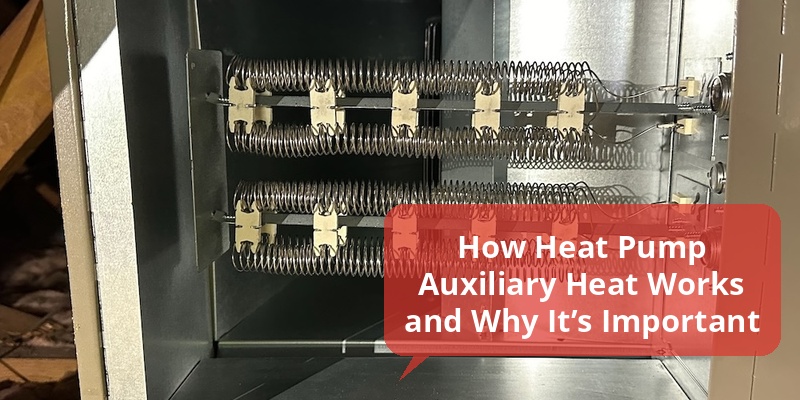
Auxiliary heat is a supplemental heating source in heat pump systems, usually electric resistance heating elements installed inside the air handler unit. When the heat pump is unable to extract enough heat from the outside air due to extreme cold, the aux heat turns on to maintain the indoor temperature. Unlike the heat pump, which uses refrigeration principles to transfer heat efficiently, auxiliary heat generates heat directly by electricity, often similar to a conventional electric heater.
When Does Aux Heat Activate?
The aux heat is triggered under several conditions: when outdoor temperatures drop below the heat pump’s balance point—the temperature where the heat pump can no longer meet the heating demand alone—and when the system senses a rapid drop in indoor temperature or needs a quick temperature boost. The thermostat typically controls this activation automatically, switching to aux heat when the primary heat pump cannot keep up with the thermostat settings.
Common Scenarios Triggering Auxiliary Heat
- Outdoors temperatures below 32°F (0°C)
- During defrost cycles when the heat pump reverses to melt ice buildup
- Sudden increases in heating demand, such as after a door is left open
- Malfunction or failure of the heat pump
Types of Auxiliary Heat Systems
Most heat pumps use electric resistance heaters as auxiliary heat due to their compatibility and quick response time. However, auxiliary heat can also be provided by:
- Gas furnaces integrated into the system, using fossil fuel to supplement heat
- Propane heaters or oil furnaces for homes without natural gas connections
- Electric strip heaters, which are the most common aux heat type in residential heat pumps
Advantages and Disadvantages of Auxiliary Heat
| Advantages | Disadvantages |
|---|---|
| Ensures indoor comfort even in very cold weather | Aux heat tends to be less energy-efficient and more expensive to operate than the heat pump |
| Provides quick heating boost when needed | Frequent use of aux heat can significantly increase electric bills |
| Functions as emergency backup heat | Some systems may rely too heavily on aux heat due to poor heat pump sizing or malfunction |
How to Manage Auxiliary Heat to Reduce Costs
Auxiliary heat is critical in maintaining comfort but can be costly if used excessively. Homeowners can manage aux heat effectively by following these tips:
- Set the thermostat to a moderate temperature. Drastic thermostat increases trigger aux heat frequently.
- Keep the home well insulated to reduce heating demand during cold spells.
- Regularly maintain the heat pump to ensure it operates efficiently and reduces aux heat activation.
- Upgrade to a heat pump with a low balance point to minimize the need for aux heat in colder climates.
- Use programmable thermostats to avoid unnecessary aux heat during unoccupied periods.
Difference Between Auxiliary Heat and Emergency Heat
Although often confused, aux heat and emergency heat modes serve different purposes. Auxiliary heat operates automatically when the system calls for additional heating, whereas emergency heat is manually activated to bypass the heat pump entirely. Emergency heat relies solely on the backup heat source and is typically used when the heat pump is broken or undergoing repair. This mode tends to be less energy efficient and more expensive, so it’s intended only for short-term use.
Signs Your Heat Pump Is Overusing Auxiliary Heat
Repeated and extended use of auxiliary heat can indicate issues with your heat pump system. Signs to watch for include:
- Spikes in your electric bill during cold months
- Indoor temperature fluctuations despite thermostat settings
- Frequent cycling between heating modes
- Warm air seeming less efficient or slow to reach desired temperature
Addressing these signs early with professional HVAC inspection can optimize your system’s operation and reduce unnecessary aux heat usage.
Innovations in Heat Pump Auxiliary Heating
Recent advancements include using variable-speed compressors, improved refrigerants, and integrated smart controls. These technologies allow heat pumps to operate more efficiently in colder conditions and reduce dependence on auxiliary heat. Additionally, some systems now combine heat pumps with geothermal or solar heating to further cut auxiliary heat costs.