Knowing whether your home heating system uses a heat pump or a furnace is essential for maintenance, energy efficiency, and choosing the right service options. While both systems provide warmth, they operate differently and have distinct features that can impact your energy bills and comfort. This guide will help you identify your heating system type quickly and clearly.
| Feature | Heat Pump | Furnace |
|---|---|---|
| Heat Source | Extracts heat from outside air or ground | Burns fuel like natural gas, propane, or oil |
| Heating Method | Transfers heat using refrigerant and compressor | Generates heat through combustion |
| Cooling Capability | Also functions as an air conditioner | No cooling function |
| Energy Source | Electricity | Gas, oil, propane, or electricity (less common) |
| Efficiency | High efficiency, especially in moderate climates | Variable, depends on fuel type and model |
Identifying Your Heating System by Outdoor Unit
The outdoor unit can offer major clues. Heat pumps have a large box with a fan and coils that looks similar to an air conditioning unit because it functions for both heating and cooling.
In contrast, a furnace typically does not have an outdoor unit; it is usually a large metal appliance located inside the basement, attic, or utility closet. If your home has a separate air conditioning condenser outside but no unit actively running in winter to generate heat, you likely have a furnace inside.
Checking the Indoor Heating Unit
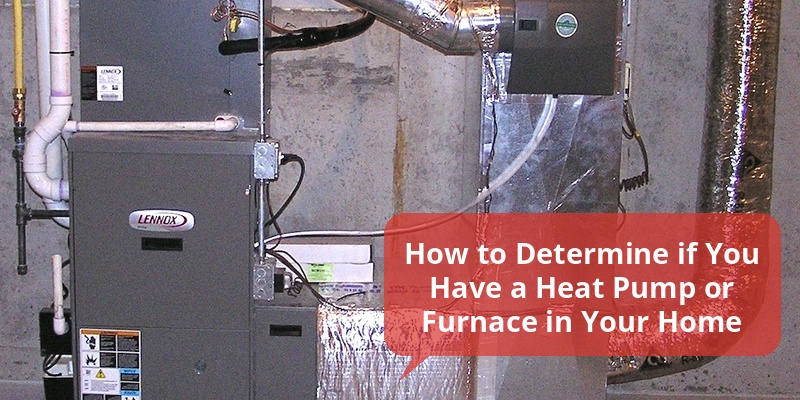
Look at your home’s indoor heating equipment. A furnace usually consists of a steel cabinet with duct connections and vents for exhaust gases. Furnaces burn fuel and expel combustion gases through a flue pipe or chimney. The air heating process is direct, warming the air as it passes through heat exchangers.
A heat pump indoor unit resembles an air handler or blower unit and does not typically have a flue. It circulates refrigerant between the indoor and outdoor units to move heat rather than generate it by combustion.
Examining Energy Bills and Fuel Sources
Your utility bills provide substantial insight. If your home uses natural gas, propane, or oil for heating, you almost certainly have a furnace. Heat pumps use electricity to operate and will appear on your electricity bill without corresponding gas or oil usage.
Sometimes homes have dual systems: a heat pump for moderate weather and a furnace for extreme cold. Understanding your fuel sources and how they appear on bills helps clarify which system is primarily responsible for heating.
Thermostat and Controls Clues
Modern thermostats designed for heat pumps have special features such as “emergency heat” or “auxiliary heat” modes. If your thermostat offers these options, it indicates a heat pump system designed to provide supplemental heating during very cold temperatures.
A typical furnace thermostat lacks these special heat pump settings and simply controls the heating stage(s) by turning the unit on and off.
Performance and Seasonal Behavior Differences
Observe your heating system’s behavior during cold weather. A heat pump generally delivers warm but not hot air and continues running quietly. It may also produce a slight “whirring” sound from the outdoor unit during heating.
A furnace produces very hot air quickly, with startup sounds from the ignition and burner. It may cycle on and off more noticeably as it meets the thermostat demands.
Technical Labels and Manufacturer Information
Check for any labels or model numbers on the indoor and outdoor equipment. Search model numbers online or refer to manufacturer websites—these often specify whether the unit is a heat pump or furnace.
Documentation from installation or prior maintenance can also be helpful to confirm the heating type and recommended service schedules.
Summary Table: Key Differences Between Heat Pumps and Furnaces
| Aspect | Heat Pump | Furnace |
|---|---|---|
| Primary Energy Source | Electricity | Gas, propane, oil, or electricity |
| Heating Technology | Heat transfer with refrigerant | Burning fuel for heat |
| Outdoor Unit | Present, looks like an A/C condenser | Usually no outdoor heat-generating unit |
| Cooling Function | Included | Not included |
| Air Temperature Output | Warm air | Hot air |
| Flue or Chimney | No | Yes |
When to Contact a Professional for Confirmation
If doubts remain after visual inspection and reviewing utility bills, consult a licensed HVAC technician. They can perform a thorough system analysis, confirm the heating type, and advise on maintenance or replacement options.
Correctly identifying your system will help ensure optimal comfort and energy efficiency, preventing unnecessary expenses and unexpected breakdowns.