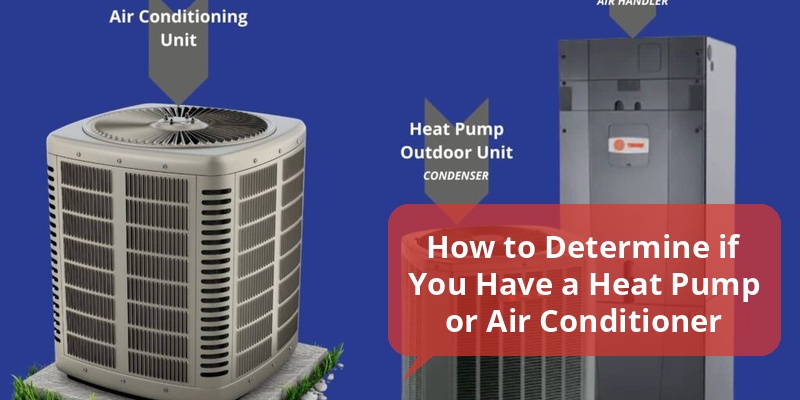
Many homeowners find it confusing to distinguish between a heat pump and an air conditioner since both systems cool indoor spaces effectively. Understanding the differences and identifying which system you have can help optimize your home’s comfort and energy efficiency throughout the year. This article guides American users through simple steps to recognize whether they have a heat pump or a traditional air conditioner, explaining key features, operation modes, and maintenance tips.
| Feature | Heat Pump | Air Conditioner |
|---|---|---|
| Functionality | Provides both heating and cooling | Only provides cooling |
| Seasonal Usage | Year-round operation | Typically used in warmer months |
| Outdoor Unit | Reversible compressor system | Single function compressor |
| Energy Efficiency | More efficient for heating than electric resistance | Efficient cooling, no heating |
| Common Systems | Split systems, ductless mini-splits | Central AC, window units |
Understanding the Basic Differences Between a Heat Pump and an Air Conditioner
A primary step is to recognize that a heat pump can both heat and cool your home, while an air conditioner only cools. Both systems use similar components, such as compressors, condensers, and evaporators, but their operation cycles differ. Heat pumps have a reversing valve that allows the system to switch directions to provide heating during colder months, whereas air conditioners do not have this feature and function only to remove indoor heat.
For homeowners in moderate climates, heat pumps are a popular choice due to their versatility. In areas with colder winters, some may have an additional heating system alongside an air conditioner.
Identifying Your System Through Visual Inspection
One of the easiest ways to identify if you have a heat pump or air conditioner is by checking the outdoor unit. Look for the following clues:
- Reversing Valve: Heat pumps will have a visible or labeled reversing valve on the outdoor unit, which helps switch between heating and cooling modes.
- Model Number and Manufacturer Specs: Use the model number found on your outdoor unit’s nameplate to search online or consult the manufacturer’s manual which often specifies whether the unit is a heat pump.
- Two Copper Lines: Both heat pumps and air conditioners typically have two copper refrigerant lines connecting the indoor and outdoor units. However, the presence of a third line or components specific to heat recovery can indicate a heat pump system.
Checking Your Thermostat and System Settings
The thermostat offers important clues about your HVAC system. Heat pumps are controlled differently than air conditioners:
- Heating Mode: If your thermostat has a “heat” or “emergency heat” setting combined with “cool,” it’s likely connected to a heat pump.
- Heat Pump Indication: Some thermostats specifically indicate “heat pump” operation modes or include settings for auxiliary or supplemental heating.
- Switching Seasons: Heat pumps automatically reverse between heating and cooling modes, which some thermostats display by switching from “Heat” to “Cool” rather than requiring manual maintenance of separate heating systems.
Heating Source Comparison: Heat Pump Versus Electric Furnace or Gas Furnace
To understand if your system is a heat pump, consider the heating source in your home:
- Heat Pump Heating: Uses refrigerant to transfer heat from outside air into your home, providing efficient warmth even during mild winters.
- Electric Furnace or Gas Furnace: These systems generate heat through combustion or electrical resistance, usually separate from the air conditioning system.
If your thermostat controls both heating and cooling without an additional furnace or boiler, you most likely have a heat pump.
Maintenance and Operational Tips for Heat Pumps and Air Conditioners
Knowing your system type helps determine appropriate upkeep for optimal performance:
- Heat Pump Maintenance: Inspect and clean air filters regularly, ensure outdoor unit coils and fins are free of debris, and verify the reversing valve is functioning during seasonal changes.
- Air Conditioner Maintenance: Replace filters, clean condenser coils, and check refrigerant levels primarily aimed at cooling effectiveness.
- Seasonal Checks: Heat pumps require attention both in summer and winter, while air conditioners mainly need preparation before cooling seasons.
Energy Efficiency and Cost Considerations
Heat pumps are favored for their ability to provide efficient heating and cooling, potentially lowering utility bills, especially in climates without extreme cold. Air conditioners, while efficient at cooling, require a separate heating source, which may lead to higher overall energy expenses in winter months.
SEER (Seasonal Energy Efficiency Ratio) and HSPF (Heating Seasonal Performance Factor) ratings are essential benchmarks for heat pumps, while air conditioners rely heavily on SEER ratings alone. Choosing a high-efficiency system suitable for your region directly impacts operational costs.
How to Confirm with Your HVAC Professional or Installer
When in doubt, contacting a licensed HVAC professional can provide definitive information. They can:
- Inspect your system’s outdoor and indoor units.
- Explain your unit’s specifications and capabilities.
- Perform efficiency audits and recommend upgrades.
Requesting documentation or maintenance history from your installer can also clarify your system type for future reference.