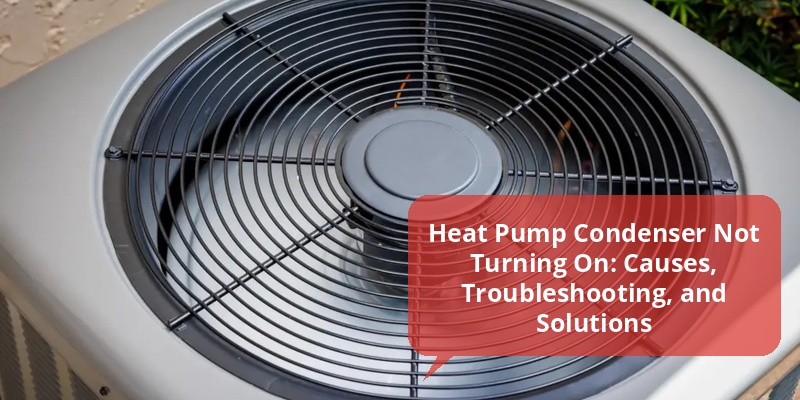
When a heat pump condenser fails to turn on, it can disrupt your home’s heating and cooling system, leading to discomfort and potential damage. Understanding the common reasons behind this issue and how to troubleshoot it can save time and money on repairs. This article explores the key causes, diagnostic steps, and practical solutions for a heat pump condenser that won’t activate.
| Key Issue | Common Causes | Suggested Fixes |
|---|---|---|
| Heat Pump Condenser Not Starting | Power issues, thermostat settings, faulty contactor, capacitor failure, locked compressor | Check breakers, reset thermostat, replace contactor or capacitor, inspect compressor |
Common Causes of a Heat Pump Condenser Not Turning On
Power Supply Problems are among the most frequent reasons for a condenser not initiating. Electrical issues such as tripped circuit breakers, blown fuses, or disconnected wiring disrupt the power flow preventing operation.
The Thermostat Malfunction or Incorrect Settings can also affect condenser functionality. If the thermostat is not calling for cooling or heating or is set inappropriately, the condenser won’t receive a signal to start.
Faulty Contactor or Relay within the condenser’s control system may block the electrical current needed to energize the unit. A worn-out contactor coil or stuck relay contacts can prevent the compressor and fan motors from starting.
Capacitor Failure is another major culprit. The condenser unit’s fan and compressor depend on capacitors for a strong start. Damaged or weak capacitors can cause the condenser to remain off or engage intermittently.
Compressor or Motor Issues such as a locked compressor or motor failure will prevent the condenser from starting. Mechanical faults in the compressor can also cause electrical overloads, triggering safety shutoffs.
Diagnosing Why a Heat Pump Condenser Won’t Turn On
Step 1: Check Power Supply
Verify that the circuit breakers and fuses controlling the heat pump are in the ‘On’ position and undamaged. Use a multimeter to check voltage at the condenser unit’s disconnect box.
Step 2: Inspect Thermostat Settings
Ensure the thermostat is set to the correct mode (cool or heat) and temperature. Replace batteries if needed and confirm the thermostat is sending a signal.
Step 3: Examine the Condenser Contactor
Remove the access panel and look for pitted or burned contactor points. Using a multimeter, test the coil resistance; a faulty coil will prevent engagement.
Step 4: Test Capacitors
Identify the start and run capacitors, then use a multimeter with capacitance test settings to check their condition. Bulging or leaking capacitors need replacement.
Step 5: Evaluate Compressor and Fan Motor
If all electrical components test fine, manually try to spin the fan. Listen for unusual noises from the compressor. Locked compressors require professional evaluation.
Effective Solutions to Resolve Condenser Activation Issues
Restore or Reconnect Power
Reset any tripped breakers and replace blown fuses. Ensure all wiring connections are tight and undamaged to restore proper electrical flow to the condenser.
Replace or Repair Thermostat
If thermostat malfunction is confirmed, recalibrate or replace it to ensure accurate signaling for heat pump operation.
Swap Faulty Contactors
Replacing a defective contactor is often a straightforward repair that will enable the condenser to receive power and operate correctly again.
Change Capacitors
For capacitors that fail tests or show physical damage, installing new capacitors restores the motor’s start capability, allowing the condenser to function.
Address Compressor and Motor Issues
Locked or damaged compressors typically require professional HVAC service. Regular maintenance can prevent these failures, but replacement may be necessary for severe damage.
Preventive Maintenance Tips for Heat Pump Condenser Longevity
- Regularly inspect electrical components for signs of wear or corrosion to catch problems early.
- Clean condenser coils and fan blades to maintain efficient airflow and reduce strain on parts.
- Schedule annual professional HVAC inspections to detect and address potential issues before failure.
- Monitor thermostat function and settings seasonally to ensure correct operation and avoid unnecessary wear on the system.
- Replace capacitors every 5–7 years proactively, even if they have not failed yet, to maintain reliability.