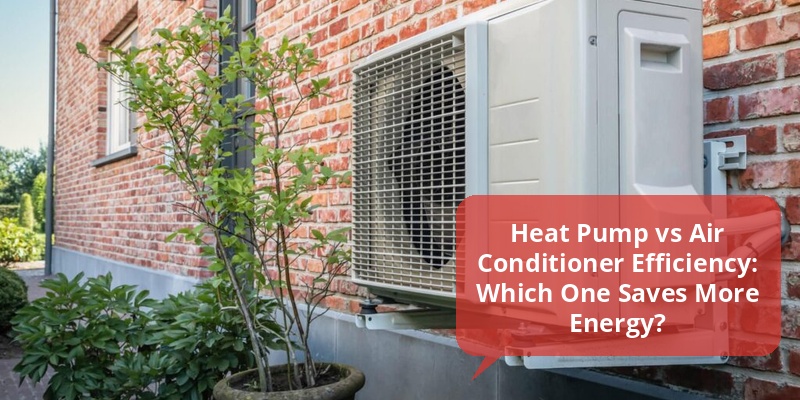
Choosing between a heat pump and an air conditioner often comes down to efficiency and cost-effectiveness. Both systems provide cooling, but their operational mechanisms and energy consumption differ significantly. This article explores the efficiency of heat pumps compared to traditional air conditioners, helping homeowners and businesses make informed decisions for optimal energy savings and comfort.
| Feature | Heat Pump | Air Conditioner |
|---|---|---|
| Primary Function | Heating and Cooling | Cooling Only |
| Energy Efficiency | Generally Higher (Heating & Cooling) | Efficient Cooling Only |
| Seasonal Energy Use | Efficient Year-Round | Efficient in Summer Only |
| Installation Cost | Higher Initial Cost | Lower Initial Cost |
| Operating Cost | Lower (Energy Savings) | Moderate |
| Lifespan | 10-15 Years | 10-15 Years |
| Ideal Climate | Moderate to Cold | Warm to Hot |
How Heat Pumps and Air Conditioners Work
Heat pumps and air conditioners both utilize refrigerant technology to transfer heat, but they serve different purposes. An air conditioner transfers heat from inside a building to the outside, primarily cooling indoor air. In contrast, a heat pump can reverse this process, providing both cooling during the summer and heating in colder months by extracting heat from outside air.
Heat Pump Mechanism
Heat pumps operate by circulating refrigerant through an outdoor coil and indoor coil. During cooling, the system extracts heat from indoor air and releases it outside. When heating, the refrigerant flow reverses, pulling heat from outdoor air even at low temperatures and releasing it indoors, making them highly versatile and energy-efficient.
Air Conditioner Mechanism
Air conditioners primarily cool indoor spaces by absorbing heat from the interior and releasing it outdoors. They function efficiently during hot weather but lack heating capability, meaning a separate heating system is necessary for winter months.
Comparing Energy Efficiency: Heat Pump vs AC
Understanding the energy efficiency of heat pumps and air conditioners requires reviewing performance metrics such as SEER and HSPF. SEER (Seasonal Energy Efficiency Ratio) measures cooling efficiency, while HSPF (Heating Seasonal Performance Factor) applies to heating efficiency, relevant for heat pumps.
Energy Efficiency Metrics
| Metric | Heat Pump | Air Conditioner |
|---|---|---|
| SEER Rating | 13-21+ | 13-21+ |
| HSPF Rating | 8-13 | Not Applicable |
| Coefficient of Performance (COP) | 2 to 4 (Heating) | N/A |
Both heat pumps and air conditioners can have high SEER ratings for cooling. However, heat pumps add considerable efficiency in heating, reducing the need for electric resistive heaters.
Seasonal Efficiency and Climate Impact
Seasonal efficiency is a crucial factor that influences the suitability of heat pumps or AC units in different climates. Heat pumps offer year-round comfort by combining heating and cooling, whereas air conditioners provide efficient cooling only.
Heat Pumps in Various Climates
In moderate to cold climates, heat pumps outperform air conditioners by supplying efficient heating at a lower energy cost. They reduce reliance on fossil fuel-based heating systems, promoting cleaner energy usage.
Air Conditioners in Warm Climates
For regions with predominantly warm weather, air conditioners are effective and cost-efficient for cooling without the need for heating capability. They are simpler systems, often with lower upfront costs.
Cost Considerations: Installation and Operating Expenses
Cost efficiency is tied to both the initial installation expenses and ongoing operating costs. Heat pumps typically have higher upfront costs due to their dual functionality and technology complexity.
- Installation: Heat pumps average 20-30% higher installation cost than air conditioners due to added components and labor.
- Operating Costs: Because heat pumps use less energy for heating, their annual operating costs are usually lower than using separate heating and cooling systems.
- Maintenance: Both systems require regular maintenance, including filter changes and system inspections to ensure optimal efficiency.
Environmental Impact and Energy Savings
Heat pumps offer a greener alternative by reducing carbon emissions compared to conventional heating methods. Since they move heat instead of generating it by burning fossil fuels, they significantly lower greenhouse gas emissions for heating and cooling.
Air conditioners, when coupled with electric resistance heating, can increase energy consumption and carbon footprint during colder months.
Technology Advances Enhancing Heat Pump Efficiency
Recent innovations in variable-speed compressors, inverter technology, and advanced refrigerants have boosted heat pumps’ efficiency and made them effective even in colder temperatures. These improvements are narrowing the efficiency gap with traditional heating systems and expanding the applicability of heat pumps nationwide.
When to Choose a Heat Pump Over an Air Conditioner
Choosing a heat pump is ideal if:
- You seek year-round climate control – both heating and cooling.
- Your location experiences significant heating needs in fall and winter.
- You want to reduce overall energy consumption and environmental impact.
- You prefer a single system with lower operating costs over time despite higher initial cost.
When an Air Conditioner Is the Better Choice
Opt for an air conditioner if:
- You live in a predominantly warm climate with minimal heating needs.
- Your budget restricts upfront installation cost.
- You already have a separate efficient heating system in place.