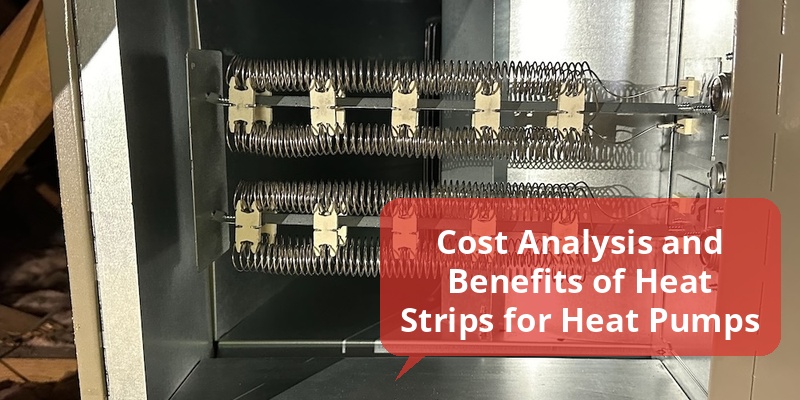
Heat strips are an essential component of many heat pump systems, especially in colder climates. They provide supplemental electric heating when the heat pump alone cannot efficiently meet indoor temperature demands. Understanding the cost of heat strips for heat pumps is crucial for homeowners considering upgrades, repairs, or new installations. This article explores the average costs, factors influencing price variations, installation considerations, and the long-term value of heat strips for heat pumps used in American households.
| Cost Factor | Typical Range | Notes |
|---|---|---|
| Heat Strip Unit Price | $200 – $800 | Varies by brand, size, and heating capacity |
| Installation Cost | $150 – $400 | Depends on labor rates and system type |
| Total Installation Cost | $350 – $1,200 | Includes parts and labor |
| Operating Costs | Varies | Depends on local electricity rates and usage |
What Are Heat Strips and Why Are They Used With Heat Pumps?
Heat strips are electric resistance heating elements integrated into air-source heat pump systems to provide additional warmth during very cold weather. Heat pumps work by transferring heat from outside air to the inside, but their efficiency drops as outdoor temperatures fall below freezing.
When the heat pump cannot maintain the desired indoor temperature, heat strips activate to quickly boost the heating output. They function similarly to electric baseboard heaters and typically consist of metal coils that heat up when electricity passes through them.
Average Cost of Heat Strips for Heat Pumps
The cost of heat strips depends largely on their size, brand, and heating capacity. Small residential heat strips generally range from $200 to $800. Models designed for larger systems or commercial use can cost more.
Besides the unit price, installation expenses vary depending on whether the heat strip is being added to an existing system or installed during a new heat pump setup. Labor costs range from $150 to $400, influenced by local rates and job complexity.
The total cost for parts and professional installation usually falls between $350 and $1,200.
Factors Influencing Heat Strip Costs
- Heating Capacity: Measured in kilowatts (kW), higher capacity heat strips designed for large homes cost more.
- Brand and Quality: Premium brands with higher efficiency ratings demand higher prices but often ensure durability.
- System Compatibility: Certain heat strips are made for specific heat pump models or split systems, affecting cost.
- Installation Complexity: Adding heat strips to older systems or difficult-to-access locations may increase labor charges.
- Geographic Location: Labor costs vary widely across regions in the U.S.
Installation Considerations for Heat Strips
Proper installation of heat strips ensures safety and optimal system performance. It should be carried out by licensed HVAC professionals who can correctly size the heat strips to the heat pump system and integrate wiring to the home’s electrical panel.
Upgrading existing systems to include heat strips may require modifications to electrical service, such as circuit breaker upgrades, especially for larger heat strips.
Homeowners should also consider installing programmable thermostats that coordinate heat pump and heat strip operation efficiently, reducing unnecessary energy consumption.
Operating Costs and Energy Usage
Heat strips consume more electricity than heat pumps alone because they generate heat via electrical resistance rather than heat transfer. This results in higher energy bills when heat strips are in frequent use.
The operating cost depends on local electricity rates, heat strip capacity, and the frequency/duration supplemental heating is needed. On average, electric resistance heating can cost three to four times more per unit of heat than a heat pump operating under optimal conditions.
Many homeowners in colder climates use heat strips only during the coldest days, limiting added costs while maintaining comfort.
Benefits of Using Heat Strips With Heat Pumps
- Reliable Supplemental Heat: Ensures consistent indoor warmth during extreme cold.
- Increased System Efficiency: Prevents heat pump strain under low temperatures by sharing the heating load.
- Fast Heat Output: Provides almost instant heat when activated.
- Cost-Effective Installation: More affordable than installing an entirely new heating system.
- Extends Heat Pump Lifespan: Reduces wear on the heat pump compressor in harsh weather.
Alternatives and Enhancements to Heat Strips
Homeowners interested in reducing energy costs or increasing heating efficiency have alternatives to traditional heat strips:
- Dual-Fuel Systems: Combine a heat pump with a gas furnace that activates in extreme cold.
- Cold Climate Heat Pumps: Designed to operate efficiently at lower temperatures, potentially reducing heat strip usage.
- Supplemental Zoned Heating: Using smart thermostats and zone control to limit heat strip use only where needed.
Key Tips for Homeowners Considering Heat Strip Installation
- Have a professional HVAC contractor perform a thorough heat loss/gain calculation to determine the correct heat strip size.
- Request multiple quotes to compare pricing and services.
- Consider energy efficiency incentives and rebates available for heat pump upgrades which may offset costs.
- Invest in smart controls to optimize heat strip use.
- Evaluate your local climate to determine how often heat strips will realistically be needed.