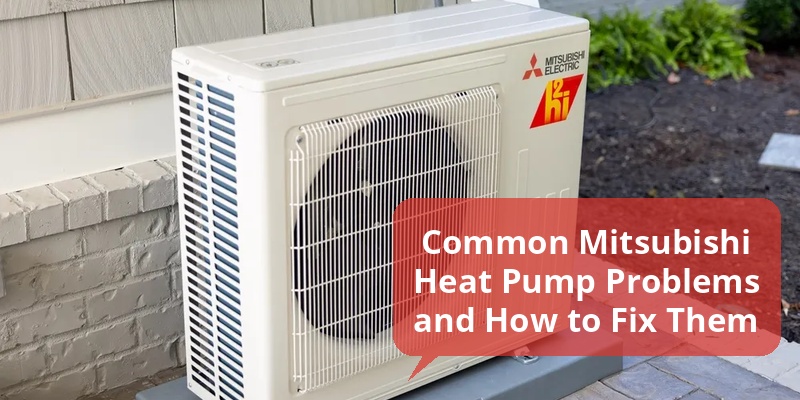
Mitsubishi heat pumps are widely recognized for their energy efficiency and reliable performance in both residential and commercial settings. However, like any HVAC system, they can encounter issues that affect functionality and comfort. Identifying common Mitsubishi heat pump problems early and understanding potential solutions can help maintain optimal operation and extend the system’s lifespan.
| Problem | Symptoms | Potential Cause | Recommended Action |
|---|---|---|---|
| Heat Pump Not Heating or Cooling | No temperature change, system runs but no comfort | Thermostat issues, low refrigerant, compressor failure | Check thermostat settings, schedule professional inspection |
| Ice Build-Up on Outdoor Unit | Visible ice accumulation, reduced airflow | Dirty coils, low refrigerant, faulty defrost cycle | Clean coils, check refrigerant levels, repair defrost controls |
| Strange Noises | Rattling, buzzing, or grinding sounds | Loose parts, debris in unit, motor problems | Inspect and tighten components, clean debris, service motor |
| System Keeps Turning Off | Frequent shutoffs, uneven heating/cooling | Overheating, sensor failures, electrical issues | Check electrical connections, replace faulty sensors |
| High Energy Bills | Unexpected increase in utility costs | Dirty filters, inefficient operation, refrigerant leaks | Replace filters, seal leaks, perform maintenance |
Common Issues Affecting Mitsubishi Heat Pump Performance
Mitsubishi heat pumps can face problems ranging from mechanical failures to maintenance-related issues. Understanding these problems helps users respond efficiently.
Thermostat Malfunctions
The thermostat controls temperature settings; if it is uncalibrated or faulty, the system may not operate correctly. This results in inconsistent temperature regulation or the unit running continuously without reaching comfort levels.
Refrigerant Leaks and Low Levels
Low refrigerant restricts the heat pump’s ability to transfer heat. Leaks cause decreased efficiency and may lead to compressor damage if not addressed promptly. Signs include weak airflow, longer run times, and ice formation on coils.
Compressor Issues
The compressor is vital for heat transfer. Problems such as motor wear or electrical failures can cause the heat pump to stop heating or cooling effectively. Repair or replacement by a qualified technician is usually necessary.
Dirty or Blocked Coils
Coils play a critical role in heat exchange. Dirt accumulation or debris can obstruct airflow and reduce efficiency. Regular cleaning prevents frost buildup and maintains performance.
Defrost Cycle Failures
Mitsubishi heat pumps use defrost cycles to prevent ice formation on outdoor units. A malfunctioning defrost control causes excessive ice build-up, restricting airflow and heat exchange, leading to poor system performance.
Signs of Heat Pump Problems And Diagnostic Steps
Recognizing early signs of malfunction can prevent costly repairs. Users should monitor performance indicators like unusual noises, temperature irregularities, and operational anomalies.
Unusual Sounds
Buzzing or rattling noises often indicate loose components or debris inside the unit. Grinding sounds usually point to motor or fan issues that require immediate inspection.
Inconsistent Temperatures
Uneven heating or cooling across rooms may signal thermostat or refrigerant issues. Calibration or professional inspection can resolve these inconsistencies.
Excessive Energy Usage
Higher energy bills without clear cause often suggest decreasing system efficiency. Causes include dirty filters, refrigerant leaks, or mechanical wear. Maintenance and repairs improve efficiency and reduce costs.
Maintenance Tips To Prevent Mitsubishi Heat Pump Issues
Routine maintenance is essential to ensure Mitsubishi heat pumps operate efficiently and last longer. Implementing regular checks and cleanings can mitigate many common problems.
- Replace air filters every 1-3 months to maintain proper airflow and indoor air quality.
- Clean outdoor coils and remove debris around the unit to prevent airflow restriction.
- Schedule annual professional inspections to detect refrigerant leaks, electrical faults, and system wear early.
- Check thermostat settings and function regularly to ensure precise temperature control.
- Keep drainage lines and condensate pans clear to avoid water damage and ice build-up.
When To Call A Professional For Mitsubishi Heat Pump Repairs
While basic maintenance can be performed by homeowners, many issues require expert attention for safe and effective repairs.
- Refrigerant leak repairs should only be handled by certified HVAC technicians due to environmental and safety regulations.
- Compressor or motor failures need specialized diagnostic tools and replacement parts.
- Electrical malfunctions or control board failures require trained technicians to prevent hazards.
- If the heat pump frequently cycles on and off or fails to maintain set temperatures, seek professional evaluation.
Comparing Mitsubishi Heat Pump Problems With Other Brands
Mitsubishi heat pumps generally exhibit fewer mechanical failures due to advanced inverter technology and quality components. However, common problems such as refrigerant leaks, defrost cycle issues, and thermostat faults occur across many brands. Mitsubishi systems tend to have precise diagnostics, which can simplify troubleshooting and repairs.
| Issue | Mitsubishi | Other Brands |
|---|---|---|
| Refrigerant Leaks | Occasional, easier to detect with diagnostic tools | Common, may require more extensive inspection |
| Compressor Failure | Less frequent due to inverter technology | More frequent in older or lower-quality units |
| Defrost Cycle Problems | Integrated smart sensors reduce incidents | More common in basic heat pump models |
| Noise Issues | Quieter operation thanks to engineering | Wider range of noise issues depending on brand design |