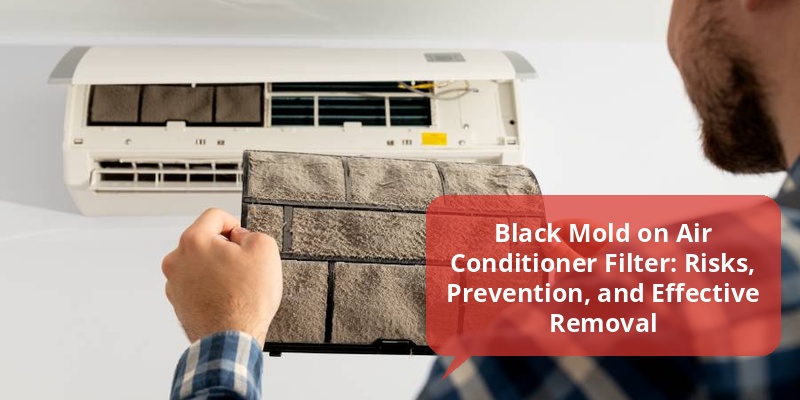
Black mold on air conditioner filters is a common yet overlooked indoor air quality threat. This silent invader can negatively impact health, HVAC efficiency, and overall home safety. Recognizing its risks and learning effective ways to prevent and remove mold can help maintain a clean, healthy living environment. Explore the symptoms, causes, prevention, and remediation strategies for dealing with black mold on air conditioner filters below.
| Aspect | Description |
|---|---|
| Risks | Respiratory problems, allergies, system inefficiency |
| Prevention | Regular filter checks, proper humidity control |
| Signs | Visible dark spots, musty odor, increased allergies |
| Removal | Appropriate protective equipment, proper cleaning or filter replacement |
What Is Black Mold?
Black mold, scientifically known as Stachybotrys chartarum, is a fungus thriving in damp, dark environments—including HVAC systems and air conditioner filters. This mold produces dark greenish-black patches, a musty odor, and can release mycotoxins. Growth typically occurs where water, dust, and organic debris collect, making air conditioner filters a prime target if not regularly maintained.
Why Does Black Mold Grow On Air Conditioner Filters?
Condensation and trapped organic debris fuel mold growth on air conditioner filters. When cool air passes through a filter, moisture easily accumulates, especially when humidity levels are high. Dust, pollen, pet dander, and other organic materials collect on filters—providing nutrients for mold spores to flourish.
- Improper maintenance: Infrequent filter changes allow mold spores to multiply.
- High humidity: Homes lacking dehumidification see more mold activity.
- Poor ventilation: Stagnant air around HVAC units fosters mold colonies.
- Leaks: Water intrusion from roof leaks or condensation lines can accelerate contamination.
Risks And Health Impacts Of Black Mold In Air Conditioning
Exposure to black mold in air conditioning systems can adversely impact health, particularly for sensitive groups. Mycotoxins released by black mold are known respiratory irritants and potential allergens.
- Respiratory symptoms: Coughing, sneezing, throat irritation, and shortness of breath.
- Allergic reactions: Watery eyes, runny nose, rashes, or aggravated asthma attacks.
- Chronic fatigue: Prolonged exposure leads to persistent headaches, fatigue, and even neurological symptoms.
- Weakened immune system: Young children, elderly individuals, and immunocompromised people are at higher risk for severe symptoms.
Beyond health, black mold reduces indoor air quality and affects HVAC efficiency, causing unpleasant odors and higher utility bills due to restricted airflow.
How To Identify Black Mold On Air Conditioner Filters
Spotting black mold early is crucial for prompt action. While other molds can invade air filters, black mold’s color and texture are distinct.
- Visible signs: Dark, slimy, or powdery patches—ranging from greenish-black to dark brown—on the filter surface.
- Odor detection: A persistent, earthy or musty smell emanating from HVAC vents or around the air handler.
- Airflow issues: Reduced A/C efficiency or weaker airflow due to filter clogging.
- Increased allergy symptoms: Sudden onset of allergy-like symptoms among household members when the A/C is running.
Is Black Mold On Air Conditioner Filters Dangerous?
Even limited mold growth can pose significant health dangers when air circulates contaminated spores throughout your home. Prolonged exposure to mycotoxins increases risks, particularly for people with pre-existing respiratory or allergic conditions.
Regular inspection and cleaning of air conditioner filters are vital to minimize health hazards and protect sensitive household members.
Common Causes Of Mold Growth In HVAC Systems
Multiple factors contribute to mold colonization within air conditioning systems:
- Oversized HVAC Equipment: Short cycles cause condensation that isn’t adequately evaporated.
- Poor Drainage or Clogged Condensate Lines: Standing water provides the moisture mold needs.
- Lack Of UV Protection: Older or improperly maintained systems lack ultraviolet lights that kill mold spores.
- Dirty Air Ducts: Accumulated dust and organic debris act as a continual food source.
Knowing the main causes of mold helps prevent recurrence and ensures a proactive cleaning regimen.
Prevention: Keeping Black Mold Off Your HVAC Filters
Proactive maintenance is the most effective way to prevent black mold growth on air conditioner filters. Adopt a few straightforward strategies to mitigate risk:
- Change filters frequently: Replace disposable filters every 60-90 days—or more often in high-humidity climates or households with pets/allergies.
- Use high-efficiency filters: HEPA filters or filters with a MERV rating of 8 or higher are more effective at trapping mold spores.
- Ensure proper HVAC sizing and installation: Consult professionals to ensure optimal airflow and drainage, reducing excess moisture.
- Install a dehumidifier: Maintain indoor humidity between 30–50% to deter mold growth.
- Regular inspection: Check filters monthly, especially during peak cooling periods.
- Clean HVAC components: Schedule professional duct and coil cleaning annually or biennially.
By keeping humidity low and filters clean, homeowners can drastically reduce the incidence of black mold in their HVAC system.
Effective Removal Of Black Mold From Air Conditioner Filters
When black mold is found on an air conditioner filter, swift and cautious action is needed. Moldy filters should generally be replaced rather than cleaned, but washable filters or accessible areas may be salvaged with care.
Step-By-Step Filter Removal Guide
- Turn off the HVAC system to prevent circulating spores.
- Wear protective equipment: Gloves, an N95 mask, and safety goggles are recommended.
- Remove the filter carefully, avoiding shaking or dispersing spores.
- Seal and discard disposable filters in a plastic bag; do not attempt to clean them.
- Wash reusable filters outdoors using mild detergent and water. Scrub gently and rinse thoroughly.
- Disinfect with a solution of 1 cup bleach to 1 gallon water (if manufacturer allows). Let air-dry completely before reinstalling.
Consult the HVAC system manufacturer or a professional if unsure about cleaning procedures or filter compatibility.
When To Call A Professional HVAC Technician Or Mold Remediation Expert
If mold reappears quickly after cleaning, or if contamination spreads beyond filters to ducts, coils, or insulation, professional remediation is needed. Experts use commercial-grade disinfectants, HEPA vacuums, and air scrubbers to thoroughly clean and protect your system.
- Chronic, unresolved musty odors indicate deeper HVAC mold problems.
- Allergic or toxic symptoms in multiple occupants warrant immediate intervention.
- Extensive mold patches across multiple HVAC components signal a widespread issue.
Professional intervention also ensures compliance with EPA and CDC remediation standards, safeguarding your family’s health.
How Often Should You Replace Or Clean Air Conditioner Filters?
Filter replacement frequency depends on usage patterns and environmental factors:
- Change every 30 days in high pollen or pet households.
- Every 60–90 days for typical households without pets or allergies.
- Inspect monthly during heavy use or if unusual odors/allergy symptoms arise.
Reusable filters require monthly cleaning and complete drying before reinstallation. Always follow the HVAC system and filter manufacturer’s recommendations.
Recommended Air Filters To Prevent Mold
Selecting high-quality filters is essential for maintaining indoor air quality and stopping mold before it multiplies.
- HEPA filters: Capture 99.97% of particles including mold spores; best for sensitive individuals or high-humidity climates.
- MERV 8–13 filters: Balance airflow and efficiency, suitable for most residential HVAC units.
- Antimicrobial filters: Treated with chemicals that inhibit mold and bacteria growth on filter surfaces.
Always ensure filters fit properly and are compatible with your HVAC unit to prevent airflow problems.
DIY Vs Professional Mold Remediation: Pros And Cons
| DIY | Professional Remediation |
|---|---|
|
|
When mold is limited to a filter or small HVAC area, DIY cleaning is viable. Extensive growth demands professional remediation for safety and long-term protection.
Frequently Asked Questions About Black Mold On Air Conditioner Filters
Can Air Conditioner Mold Spread To The Whole House?
Yes—HVAC systems can distribute mold spores throughout living spaces, especially when central air is running. This causes widespread contamination, making entire-house remediation necessary if the problem escalates.
How Do I Know If Mold Is In My Air Ducts?
Look for unexplained musty smells, allergy flare-ups, or visible mold around vents. A professional inspection can confirm hidden mold inside ductwork.
Is Every Black Spot On Filters Mold?
No—black spots could be dust, soot, or other contaminants. However, any suspect discoloration should be checked promptly to prevent health risks. When in doubt, replace the filter.
Does Mold On Filters Mean I Need A New Air Conditioner?
Not necessarily—timely cleaning and prevention usually suffice. If mold is extensive or system performance is impaired, consult a professional for assessment.
The Link Between Home Humidity And Mold In HVAC Filters
Excess humidity is the number one factor driving mold growth in air conditioning filters. Air conditioners that struggle to remove moisture—usually from lack of maintenance or improper sizing—create environments ripe for mold colonization.
| Recommended Humidity Level | Effect On Mold Growth |
|---|---|
| Below 50% | Limited/slow mold growth |
| 50–60% | Increased mold risk |
| Above 60% | Rapid, extensive mold growth likely |
Invest in a hygrometer and dehumidifiers to monitor and maintain optimal indoor humidity, especially during summer months or in naturally humid climates.
Best Cleaning Products And Protective Equipment For Mold Removal
Choose EPA-registered mold removers and appropriate safety gear for tackling black mold on filters and HVAC surfaces.
- Cleaners: Bleach (1:10 dilution), hydrogen peroxide, or specialized antifungal sprays.
- Equipment: N95 respirators or higher, rubber or latex gloves, long sleeves, goggles.
- Other Tools: Soft scrub brushes, sealable plastic bags, disposable wipes.
Never mix cleaning agents, and always ventilate the workspace well to avoid fume buildup and cross-contamination.
Seasonal Maintenance Checklist For Mold-Free Air Conditioning
Follow this comprehensive maintenance checklist for a healthy HVAC system free from black mold infestation:
- Inspect and replace filters at least every season.
- Clean evaporator/condensate coils yearly.
- Clear and sanitize condensate drain lines every 6 months.
- Schedule professional duct cleaning biennially—or more often if mold is found.
- Check dehumidifiers monthly for proper function.
Routine maintenance is the strongest line of defense against mold re-growth.
Recommended Actions If You Suspect Mold Contamination
If you detect unusual smells, symptoms, or visible mold on air conditioner filters:
- Turn off the HVAC system immediately
- Remove and properly dispose of contaminated filters
- Ventilate the home by opening windows and using exhaust fans
- Wear protective gear during removal and cleaning
- Contact professionals for system-wide inspection if growth is extensive
Immediate action helps prevent spore spread and protects your indoor air quality.
Additional Resources And Support
For further guidance on black mold prevention and removal, consult:
- EPA: Mold and Health
- CDC: Basic Facts about Mold and Dampness
- Energy.gov: Maintaining Your Air Conditioner
Review these governmental resources for up-to-date, reliable information on safe mold management.