The following guide highlights top vented kerosene heaters ideal for spaces like workshops, garages, cabins, and outdoor-adjacent rooms. These units provide powerful warmth without relying on electricity, and many include safety features such as automatic shut-off and tip-over switches. Below you’ll find concise product sections, an introductory summary, and a buying guide to help you choose the right model for your needs.
Summary of chosen products
| Product | Brand | Key Feature | BTU / Heating Area |
|---|---|---|---|
| Dyna-Glo WK95C8 | Dyna-Glo | No electricity needed, 23,000 BTU | Up to 1,000 sq ft |
| VEVOR Kerosene Forced Air Heater | VEVOR | Thermostat control, dual-fuel ready | 215,000 BTU |
| Sengoku KeroHeat 23,500 BTU (Indoor/Outdoor) | KeroHeat | Portable, automatic safety shut-off | Up to 1,000 sq ft |
| Sengoku HeatMate 23,500 BTU | HeatMate | Cordless, up to 12 hours | Up to 1,000 sq ft |
| Dyna-Glo WK24BK 23,800 BTU | Dyna-Glo | No electricity needed, convection design | Up to 1,000 sq ft |
Dyna-Glo Indoor Kerosene Convection Heater WK95C8

The WK95C8 model from Dyna-Glo delivers 23,000 BTU per hour, capable of heating up to 1,000 square feet. It’s designed for indoor use without electricity, making it suitable for cabins, workshops, and spaces where power is unreliable. The convection heater design promotes even warmth distribution, helping minimize cold spots. A compact footprint supports placement in tight rooms, and the unit’s reliability is backed by a brand known for kerosene heating solutions.
VEVOR Kerosene Forced Air Heater

VEVOR’s heavy-duty kerosene heater delivers up to 215,000 BTU, suitable for large workshops, barns, or industrial spaces. It includes a thermostat for energy-aware operation and a room temperature display, with automatic shut-off at set limits to prevent overheating. The unit supports kerosene and diesel fuels (one at a time), with a fuel gauge and filters to reduce smoke and odor. This model emphasizes rapid heat output and persistent performance in demanding environments.
Sengoku KeroHeat Indoor/Outdoor 23,500 BTU

This Sengoku heater combines portability with strong warmth, delivering up to 23,500 BTU for spaces up to 1,000 square feet. Its 1.9-gallon tank supports extended use (up to 12 hours). Features include automatic safety shut-off, push-button ignition, tip-over protection, and protective grills. It’s designed for both indoor and outdoor use, making it versatile for garages, camping setups, or contented indoor zones.
Sengoku HeatMate Indoor/Outdoor 23,500 BTU
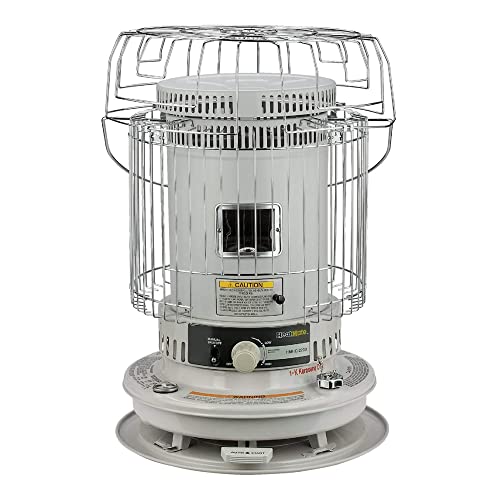
The HeatMate HMC-23K provides 23,500 BTU for spaces up to 1,000 square feet and emphasizes cordless operation with a 1.9-gallon reservoir. It offers up to 12 hours of continuous heat per fill, making it practical for longer sessions without frequent refueling. Safety features include automatic shut-off and a tip-over switch, along with protective grills to keep occupants safe during operation in mixed-use areas.
Dyna-Glo WK24BK 23,800 BTU Indoor Kerosene Convection Heater
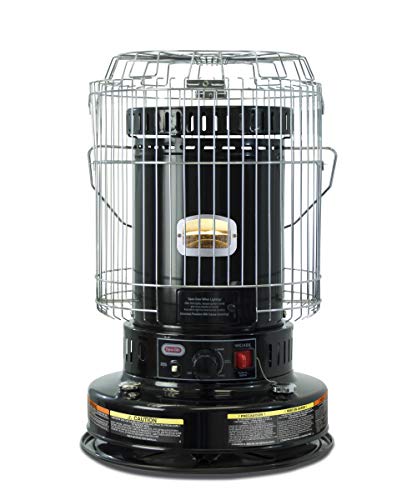
The WK24BK model offers 23,000 BTU per hour with the ability to heat up to 1,000 square feet without electricity. Its convection design supports even warmth distribution in larger rooms or open layouts. Like other vented kerosene heaters, it relies on kerosene fuel and provides a robust heat source for spaces where power outages are possible or where electrical energy use is limited.
Buying Guide
Key considerations when choosing a vented kerosene heater include space size, fuel type, and safety features. For larger spaces such as workshops or barns, high BTU output and a thermostatic control can maintain comfortable temperatures without constant refueling. Dual-fuel capability can add flexibility, but ensure you operate only one fuel at a time if the model supports both. Safety features to prioritize include automatic shut-off when the unit tips or overheats, as well as protective grills and stable base design to minimize accidental contact.
Fuel storage and handling are important: kerosene should be stored in approved containers away from heat sources, and ventilation is crucial to prevent fuel odors from accumulating. Models with built-in fuel gauges help monitor levels and reduce the risk of running out mid-use. For portability, consider compact dimensions and a lighter unit with ergonomic handles. If you rely on limited electricity, a convection or forced-air unit with a reliable ignition system ensures consistent warmth without power.
Heat distribution matters: convection heaters circulate warm air more evenly in rooms with good airflow, while forced-air models can push heat quickly to distant corners. For outdoor-leaning or mixed-use spaces, a cordless or push-button ignition is convenient during power interruptions. Always assess the maintenance needs of the wick, fuel filters, and overall cleaning schedule to preserve performance over time.
Lastly, consider safety and local regulations. Some jurisdictions require carbon monoxide detectors when using kerosene heaters indoors. Choose models with clear safety instructions, and place units on non-combustible surfaces with adequate clearance from walls and furnishings. A well-chosen vented kerosene heater delivers reliable warmth across seasons while maintaining a focus on safety and energy efficiency.