Whether you’re dining al fresco on a chilly evening or turning a breezy patio into a comfortable space, a portable outdoor heater can extend your outdoor time. This guide highlights five highly adaptable options that balance heat output, safety, portability, and ease of use. Each product below is selected for American outdoor spaces, with clear specs to help you compare at a glance.
| Product | Brand | Type | Heat Output | Best For |
|---|---|---|---|---|
| 9,000 BTU Portable Buddy Radiant | Mr. Heater | Propane Radiant | 4,000–9,000 BTU/hr | Medium patios, indoor/outdoor use |
| Cuisinart Portable Tabletop Patio Heater | Cuisinart | Propane Tabletop | 11,000 BTU | Small to mid patios, table-top warmth |
| 3,800 BTU Little Buddy Portable Radiant | Mr. Heater | Propane Radiant | 3,800 BTU/hr | Compact setups, quick warmth |
| SISUPASSIE Outdoor Heater | SISUPASSIE | Electric Space Heater | Up to 1,500 W | Garages, patios, greenhouses |
| AgiiMan Outdoor Heater Patio | AgiiMan | Electric Space Heater | 1,500 W | Backyards, patios, indoor/outdoor |
All five options offer portable use and varying heat sources. Propane units provide robust outdoor warmth with no electrical outlet required, while electric models deliver steady heat with built-in safety features and easy temperature control. Safety features, portability, and suitability for outdoor vs. indoor-outdoor use are highlighted to help you choose the best fit for your space.
Mr. Heater 9,000 BTU Portable Buddy Radiant Propane Heater

This propane-powered radiant heater delivers 4,000 to 9,000 BTU per hour and is designed for both indoor and outdoor use. It can heat approximately 225 square feet, making it suitable for medium patios or covered outdoor seating. Its portability is ideal for tailgates, camping, or moveable outdoor dining spaces. The unit’s compact form helps with storage between seasons, though propane access and safe ventilation must be considered for enclosed areas.
Cuisinart Portable Tabletop Patio Heater, 11,000 BTU
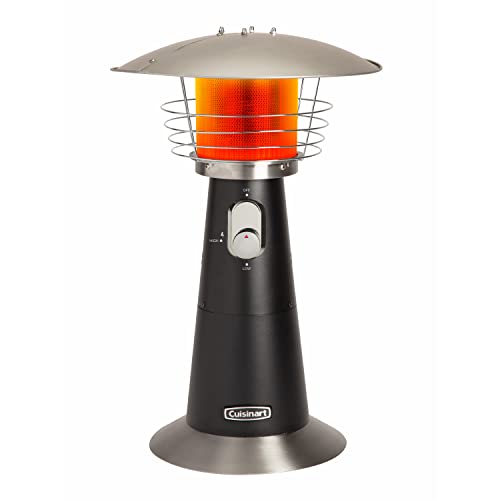
This compact propane heater delivers 11,000 BTU and is designed for table-top use, with a reflector top plate for even heat distribution across your outdoor area. It includes a built-in anti-tilt auto shut-off and a burner screen guard, enhancing safety for small gatherings. Its portability makes it a strong option for patios, balconies, or camp setups where space is at a premium.
Mr. Heater Little Buddy 3,800 BTU
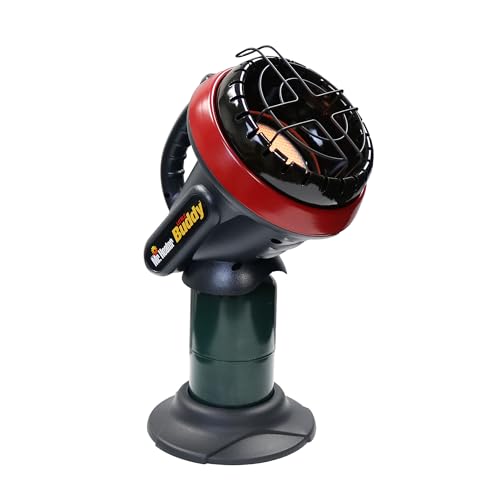
Opt for a smaller, portable option with 3,800 BTU per hour. This unit warms up to about 95 square feet and is well-suited for intimate outdoor spaces or as a supplementary heat source for chilly evenings. It’s a straightforward, budget-friendly choice for occasional use on decks, porches, or camping setups where space is limited.
SISUPASSIE Outdoor Heater for Patio, 1,500W

This 1,500W electric heater offers rapid warming with PTC ceramic tech and features three operating modes: 750W, 1500W, and fan-only. It can heat up to around 200 square feet and includes overheat protection for safer outdoor use. A portable design and multi-season capability make it versatile for patios, garages, greenhouses, and outdoor spaces year-round.
AgiiMan Outdoor Heater Patio, 1,500W
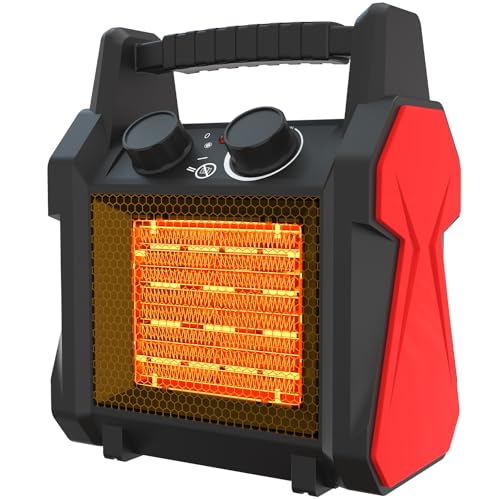
The AgiiMan 1,500W electric heater features advanced PTC heating, delivering about 20% more heat than standard 1500W models. It includes dual safety protections—overheat shutoff and a tip-over switch—along with a quiet operation profile. Its portable design supports use on patios, garages, and indoor-outdoor spaces, with a compact housing for easy storage.
Buying Guide: Key Purchase Considerations
- Power source and space: Propane units excel outdoors away from outlets and provide robust heat for larger areas. Electric heaters require outlets but offer consistent warmth with easy temperature control, suitable for enclosed or semi-enclosed spaces.
- Heat output and coverage area: Match BTU or wattage to your space. Larger patios often benefit from higher BTU (5000–11,000 for typical decks), while smaller balconies can rely on 3,800–4,000 BTU or 750–1500W electric models.
- Safety features: Look for tip-over shut-off, auto shut-off with tilt, overheat protection, and burner guards. These features reduce risk in outdoor settings with kids or pets.
- Portability and setup: Consider weight, handles, and base stability. Tabletop vs. floor-standing models determine where you can place them and how easily you can move them.
- Weather resistance and durability: Outdoor-rated units, weatherproof housings, and corrosion-resistant parts extend lifespan on porches or near coastal climates.
- Energy efficiency and running cost: Electric heaters often have lower operating costs for short, frequent uses. Propane costs vary with usage and tank availability; consider refill logistics for extended outdoor entertaining.
- Noise and comfort: Electric units typically run quietly, while some propane models produce subtle fanless hum. For outdoor dining or reading areas, quieter devices may be preferable.
- Maintenance and accessories: Propane units may require regulator checks and safe storage of tanks. Electric units benefit from simple cleaning and regular vent clearance to maintain efficiency.
- Safety placements: Maintain clear space around heating elements and never operate indoors without proper ventilation for propane units. Use outdoor-rated outlets or extension cords rated for outdoor use with electric heaters.
When selecting a portable heater, align your choice with space, climate, and usage patterns. For regularly windy patios, higher BTU propane models may maintain warmth more effectively, while electric heaters offer steady warmth for covered decks or garages. Always follow manufacturer safety guidelines for operation and storage to maximize both comfort and safety.