Choosing the right natural gas salamander heater involves balancing heat output, venting needs, and space constraints. This guide highlights five solid options, covering vented and vent-free designs to help you find a model that fits workshops, shops, garages, and living spaces. Each product section provides key features and practical considerations for safe, reliable heating.
Buying quick reference:
| Product | Type | Approx. BTU | Best For |
|---|---|---|---|
| Mr. Heater F260560 Big Maxx MHU80NG | Vented Unit Heater | 80,000 | Large spaces |
| ProCom MN300TBA-B | Ventless Blue Flame | 30,000 | Smaller to mid spaces |
| Mr. Heater F260550 Big Maxx MHU50NG | Vented Unit Heater | 50,000 | Mid-sized areas |
| Mr. Heater MHVFRD20NGT | Vent Free Radiant | 30,000 | Supplemental heat |
| L.B. White Tradesman 170N | Portable Forced Air | 125,000-170,000 | Large, industrial spaces |
Mr. Heater Big Maxx MHU80NG Natural Gas Heater — 80,000 BTU
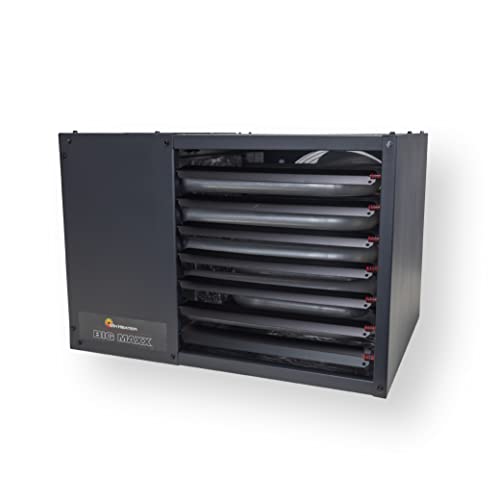
The Big Maxx MHU80NG is a natural gas unit heater designed for larger spaces up to about 2,000 square feet. With an 80,000 BTU output and a compact footprint, it is suitable for workshops, garages, and commercial spaces that require steady, high-capacity warmth. The heater is configured for natural gas use and includes mounting hardware. It requires venting appropriate to its Category 1 vertical or Category 3 horizontal venting options. Power consumption is modest (about 2.3 amps at 120 V), and it is designed for outdoor access to thermostat and gas connections, enhancing serviceability. Clearance guidelines specify a minimum of 8 feet from the floor to the base for safe operation.
Key considerations:
– Pros: High heat output for sizeable spaces; built-in venting flexibility; commercial-grade construction.
– Cons: Requires proper venting installation; thermostat and regulator not included in some kits; needs space for venting clearances.
ProCom MN300TBA-B Ventless Natural Gas Blue Flame Heater — 30,000 BTU

This ventless blue flame space heater delivers up to 30,000 BTU and heats areas up to 1,400 square feet. Thermostat control provides High/Medium/Low settings for adjustable comfort. The compact design supports wall mounting or base feet placement, offering flexible installation options for offices, living rooms, or small business spaces. Ventless operation eliminates ductwork and venting challenges, but it requires adequate oxygen levels and proper room size to maintain safe operation. Included mounting hardware makes setup straightforward.
Key considerations:
– Pros: Ventless operation enables quick installation; adjustable thermostat adds comfort control.
– Cons: Must meet room size and airflow requirements; continuous ventilation safety monitoring is essential.
Mr. Heater MHU50NG Big Maxx — 50,000 BTU Natural Gas Unit Heater
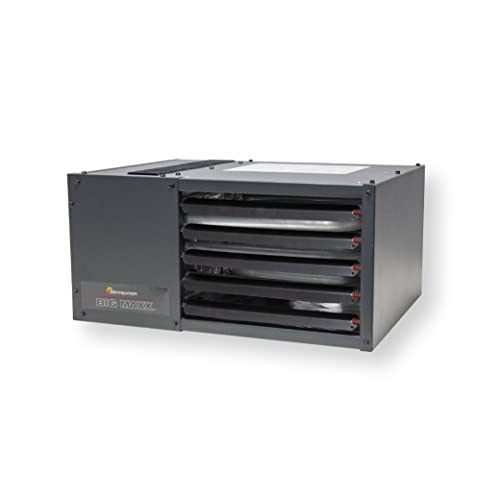
The MHU50NG offers a balanced option for mid-sized spaces, delivering 50,000 BTU per hour to heat areas like workshops, garages, or larger retail areas. It supports vertical or horizontal venting and provides convenient outside access to thermostat and gas connections. This model is designed to blend robust heating with straightforward installation, making it a practical choice for spaces that require reliable warmth without extensive ductwork. It is important to follow clearance and venting requirements for safe operation.
Key considerations:
– Pros: Solid mid-range heating capacity; flexible venting options; accessible service connections.
– Cons: Requires venting infrastructure for proper exhaust; appropriate clearance must be maintained.
Mr. Heater Vent Free Radiant 30,000 BTU — MHVFRD20NGT

This vent-free radiant heater provides 30,000 BTU of infrared warmth and is designed for indoor spaces like offices, garages, patios, and cabins. Infrared radiant technology targets people and objects directly, offering rapid comfort without overheating the air. A safety feature includes an oxygen depletion sensor that shuts off the unit if oxygen levels drop, enhancing safe operation in spaces with adequate ventilation. Wall mounting options and base feet are included to suit various room layouts.
Key considerations:
– Pros: Quick heat with infrared warmth; built-in safety features for indoor use.
– Cons: Vent-free operation requires careful room sizing and ventilation planning; not ideal for extremely drafty spaces.
L.B. White Tradesman 170N Portable Forced Air Heater

The Tradesman 170N portable heater provides a high heat output range of 125,000 to 170,000 BTU per hour, designed for outdoor use on construction sites, garages, shops, and warehouses. Its direct-fired design emphasizes efficiency, offering robust heating while maintaining fuel economy. The unit’s durable construction and portable form factor support rapid deployment across large spaces. It includes a reliable electronic spark ignition and diagnostic indicators to facilitate troubleshooting in demanding environments.
Key considerations:
– Pros: Excellent heat output for very large areas; portable for quick relocation.
– Cons: Outdoor-oriented model; requires outdoor-grade safety and ventilation practices; higher fuel consumption in large spaces.
ProCom MN100TBA-B Ventless Natural Gas Blue Flame Heater — 10,000 BTU

This compact ventless blue flame heater delivers 10,000 BTU and heats spaces up to 500 square feet. Thermostat control enables adjustable heat levels, while the slim profile allows easy placement in small rooms, offices, or bedrooms. As a ventless option, it avoids ductwork but requires appropriate room size and good ventilation to maintain indoor air quality and safety.
Key considerations:
– Pros: Small footprint; simple installation without vents.
– Cons: Lower BTU for larger spaces; continuous venting considerations apply for sustained use.
Buying Guide: Key Considerations for Natural Gas Salamander Heaters
When choosing a natural gas salamander heater, consider space size, venting requirements, and safety features. Vented units typically require proper exhaust pathways with space for both intake and venting; vent-free models demand adequate room ventilation and oxygen monitoring. BTU output should align with the area you need to heat—larger spaces require higher BTU capacity, while smaller rooms benefit from lower-output models to avoid overheating.
Other important factors include:
– Venting type: Vertical or horizontal venting for unit heaters, or ventless options for fast installs.
– Installation: Wall mounting, base feet, or portable configurations; ensure electrical and gas connections meet code requirements.
– Safety: Oxygen depletion sensors, automatic shut-off features, and carbon monoxide considerations.
– Efficiency and maintenance: Look for durable construction, easy access for service, and accessible diagnostic indicators.
– Electrical and controls: Some models include thermostat control; verify control compatibility with your existing systems.
– Indoor air quality: Ventless heaters require careful room sizing to maintain fresh air and avoid buildup of combustion byproducts.
These considerations help compare models across categories—high-output unit heaters for large spaces, ventless blue flame options for flexible placements, and smaller radiant or infrared units for targeted warmth. Always consult installation manuals and local codes to ensure safe, compliant operation in your area.