The right RV heater setup can make winters cozy and summers comfortable, without draining your generator or battery. This guide reviews five top-rated options that balance heat output, safety, fuel efficiency, and ease of use. From portable ceramic heaters to diesel-driven units and water-heating solutions, these picks cover a range of RV sizes and climates to help you stay warm safely on your travels.
Summary of chosen products: Dreo Space Heater (Portable Electric), Heat Storm HS-1500-PHX-WIFI Infrared Heater, VEVOR 8KW Diesel Heater, Mr. Heater F232017 MH9BXRV Buddy, Caframo True North Heater. Each option has distinct strengths for RV use, including safety features, remote control, and compact form factors suitable for tight spaces.
Best All‑Around Electric RV Heater With Smart Features

The Dreo Space Heater combines a powerful 1500W PTC ceramic system with a modern heat funnel design for rapid warmth and enhanced air distribution. Its safety package includes tilt-detection for tip-over protection, V0 flame retardant materials, overheat protection, and a safety plug, all ETL certified. An adjustable thermostat (41–95℉ with 1℉ increments) and a digital display enable precise control, helping conserve energy while keeping living spaces comfortable. This model fits well in small RV living areas and can run on standard AC power, making it a versatile choice for many rigs.
Whisper-Quiet Wifi Infrared Heater For RV Walls

The Heat Storm HS-1500-PHX-WIFI is a space-saving infrared heater designed for wall mounting. Its Wi-Fi connectivity enables temperature control from a smartphone, ideal for maintaining a comfortable climate without running to a physical thermostat. It includes tip-over safety shut-off, a touch screen with a digital thermostat, and a remote control. The wall-mount design preserves floor space in compact RV interiors, making it suitable for bedrooms, kitchens, or living areas where floor space is limited.
High‑Capacity Diesel RV Heater With Remote Control

This 8kW diesel heater operates on DC 12V-24V, making it suitable for RV spaces up to roughly 161–215 ft². It uses a ceramic igniter for quick starts in cold weather and includes a heat-insulated exhaust shield to prevent burns. The fuel gauge and a 5L tank help minimize refueling interruptions, while a low-noise fuel pump and high combustion efficiency keep operation smooth. It’s a robust option for extended stays or cooler climates where powerful heating is needed without relying solely on electric power.
Indoor‑Safe Portable RV Radiant Heater
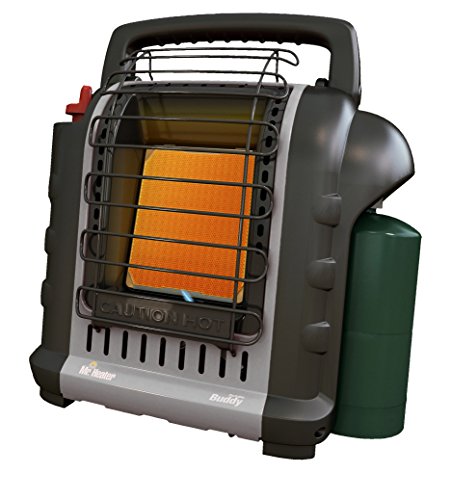
The Mr. Heater F232017 MH9BXRV Buddy provides a radiant heat solution ideal for up to 225 sq ft. It’s approved for indoor/outdoor use and is nearly 100% efficient. The unit includes auto shut-off features if tilted, the pilot light goes out, or low oxygen is detected, improving safety in enclosed RV spaces. It’s a portable option that can be used in conjunction with other heating methods to distribute warmth evenly across a small living area.
Low‑Profile, Quiet Electric Heater For RV Rooms

The Caframo True North Heater blends a low-profile footprint with quiet operation and adjustable thermostat control. It offers five heat and fan settings, including an anti-freeze setting that activates at 38°F to maintain a comfortable temperature during cold snaps. With a rugged steel housing and compact dimensions, it’s easy to place in small RV bedrooms or living nooks while delivering steady warmth and reliable performance.
Buying Guide: Key Purchase Considerations For RV Heaters
- Space and placement: RV interiors are compact. Consider wall-mounted units, compact towers, or low-profile designs that maximize living area while distributing heat evenly.
- Power source: Electric heaters require shore power or a generator. Diesel or propane options provide off‑grid capability but add fuel management considerations and venting requirements.
- Heat output vs. space: Match BTU or wattage to the size of the RV area. Overpowered units waste energy and cores, while underpowered heaters fail to maintain comfort in cold weather.
- Safety features: Look for tip-over protection, overheat shut-off, flame retardant materials, oxygen depletion sensors, and certified safety standards such as ETL or CSA.
- Noise and air quality: Infrared or ceramic heaters with quiet operation enhance comfort on long trips. Consider models with adjustable fan speeds to control air circulation and noise levels.
- Fuel and maintenance: For diesel or propane models, assess fuel availability, refueling frequency, and maintenance requirements. Electric models reduce fuel logistics but require reliable electrical access.
- Installation ease: Portable heaters offer flexibility, while wall-mounted or integrated solutions save space but may require professional installation or dedicated mounting space.
- Energy efficiency: Thermostats, smart controls, and precise temperature regulation help conserve energy on the road, extending battery life and generator runtime.
- Altitude and climate: High-altitude or extreme climates may influence performance. Some units list high-altitude support and staged combustion to prevent overheating in variable conditions.
- Compatibility: Ensure the heater fits your RV’s electrical system (voltage, amperage) and that venting is appropriate for diesel or propane units if used.