Baseboard heaters deliver steady, zone-based warmth with simple installation. This guide highlights five reliable Cadet and other trusted brands, focusing on element construction, wattage, voltage, safety features, and compatibility with standard thermostats. Each option is evaluated for durability, ease of installation, and heat output across common room sizes. Read on for practical buying tips and side-by-side comparisons to help you choose the best baseboard heater element for your space.
| Product | Brand | Model | Approx. BTU | Voltage |
|---|---|---|---|---|
| Cadet F Series 24″ | Cadet | 2F350W | 1195 BTU | 240/208 |
| Cadet F Series 48″ | Cadet | 4F1000W | 3415/2560 BTU | 240/208 |
| Cadet F Series 36″ | Cadet | 3F750-1W | 2560 BTU | 120 |
| Cadet F Series 72″ | Cadet | 6F1500-1W | 5120/3840 BTU | 240/208 |
| Comfort Zone CZ600 | Comfort Zone | CZ600 | 1500W | 120 |
Note: All products listed are electric baseboard heaters designed for room-by-room heating with simple thermostat control. The table provides a quick snapshot; details follow in the product sections.
Cadet F Series 24″ Electric Baseboard Heater
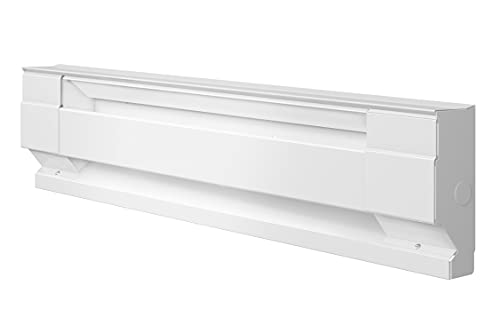
The Cadet 2F350W baseboard heater is a compact, all-metal unit designed for small spaces. It uses a 350/262 watt rating at 240/208 volts with white powder-coated steel housing for durability. The unit emphasizes a straightforward, safe option for zone heating in bedrooms or offices where wall space is limited. Its metal construction supports robust operation, while the straightforward wiring supports flexible installation in existing circuits.
Cadet F Series 48″ Electric Baseboard Heater
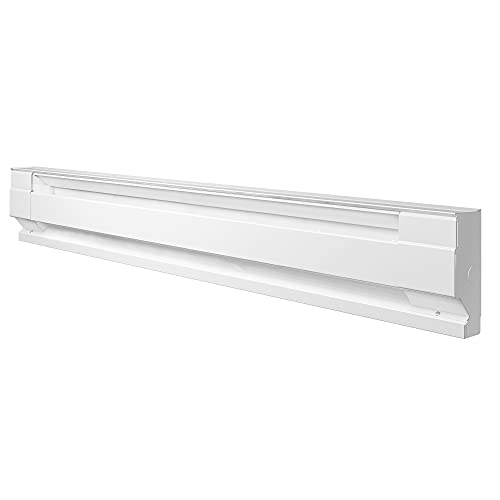
The 4F1000W model delivers strong heat output suitable for small to medium-sized rooms. It operates at 1000/750 watts and 240/208 volts, offering effective warmth while maintaining installation flexibility through universal wiring and 1-inch interval knockouts. A built-in safety shutoff contributes to safe operation, making it a reliable choice for living rooms or home offices where consistent warmth is desired.
Cadet F Series 36″ Electric Baseboard Heater
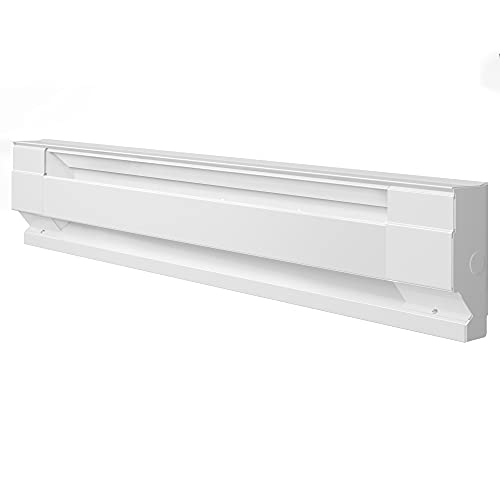
The 3F750-1W model is an all-metal 25-gauge steel unit with a 750-watt output at 120 volts. It requires a thermostat and includes a 20-gauge junction box with ground, ensuring secure installation. The durable powder-coated finish plus a robust metal frame provide long-term performance in bedrooms, hallways, or small living spaces that require steady, even heat.
Cadet F Series 72″ Electric Baseboard Heater

The 6F1500-1W is a full-length 72-inch heater rated at 1500/1125 watts, 240/208 volts. It offers a continuous heating element design with a metal enclosure, representing an ideal option for larger rooms or zones requiring consistent, wall-to-wall warmth. A thermostat is required for operation, and the unit uses a powder-coated finish for durability in busy living spaces.
Comfort Zone CZ600 Electric Baseboard Heater

The CZ600 is a 1,500-watt convection baseboard heater with adjustable thermostat, designed for medium-sized rooms. It emphasizes safety features like overheat protection, tip-over switch, and stay-cool body to prevent burns during operation. The unit supports quiet performance and reliable heat distribution, making it suitable for bedrooms, offices, or study areas where low noise and steady warmth are valued.
EZ-HEAT 1,500 Watt Baseboard Space Heater CZ600

The EZ-HEAT CZ600 mirrors many CZ600 features with 1,500 watts of heating power and a configurable thermostat. It includes similar safety features such as a tip-over switch and stay-cool housing, ensuring safe handling in living spaces. This option provides a reliable alternative for users seeking robust heat output with a focus on safety and quiet operation in medium-sized rooms.
Buying Guide: Key Purchase Considerations
When selecting baseboard heater elements, consider the following factors to match your space and needs:
- Heat output and room size: Look at BTU and wattage ratings to ensure adequate warmth for the target area. Larger rooms may require 1000–1500 watts or multiple units in zones.
- Voltage compatibility: Most residential units operate at 120V or 240V. Multi-volt models offer flexibility for different electrical setups, but ensure electrical service capacity and thermostat compatibility.
- Thermostat and control options: Decide between simple on/off thermostats and programmable or smart thermostats for better energy efficiency and comfort scheduling.
- Installation and wiring: Consider units with universal wiring and straightforward mounting options. Wall- or floor-mounted configurations should align with room layout and accessibility.
- Safety features: Look for high-temperature shutoffs, tip-over protection, and stay-cool enclosures to reduce burn risks and accidental contact, especially in homes with children or pets.
- Durability and materials: Powder-coated steel housings resist scuffs and corrosion, while sealed components help minimize dust ingress in busy rooms or offices.
- Maintenance and service life: Check for warranties and availability of replacement parts, especially for longer units and older homes where upgrades might be needed over time.
- Noise and comfort: Most baseboard heaters operate quietly, but some models emphasize silent performance—important for bedrooms or study spaces where sound can be a distraction.
- Energy efficiency: Compare units with the same heat output but different control features to optimize energy usage without sacrificing comfort.
Comparative considerations for these five products show Cadet models offer versatile wattages and lengths suitable for incremental zone heating, while Comfort Zone supplies user-friendly features geared toward quiet operation and safety. The right choice depends on room size, existing wiring, and whether you prioritize quick heat, consistent long-term warmth, or a balance of both. Always follow local electrical codes and consult a licensed electrician for installations requiring 240V or complex wiring.