Choosing the right baseboard heater control can boost comfort, save energy, and simplify schedules across rooms. This guide highlights five reliable options from trusted brands, suitable for 120V-240V systems and varied heating needs. Each product listing covers control style, compatibility, and safety features to help American homes stay warm efficiently.
| Product | Brand | Key Benefit |
|---|---|---|
| Mysa Smart Thermostat LITE | Mysa | Wi‑Fi control, schedules, energy reports |
| EZ-HEAT 1,500W Baseboard Heater | EZ-HEAT | Adjustable thermostat, safety features |
| Comfort Zone 1,500W Baseboard Heater | Comfort Zone | Efficient heating, safety and quiet operation |
| Dreo Smart Wall Heater WH719S | Dreo | Smart app control, voice compatibility |
| Honeywell Home RLV4305A1000 | Honeywell | 5-2 day programmable thermostat |
Mysa Smart Thermostat LITE For Line Voltage Heaters
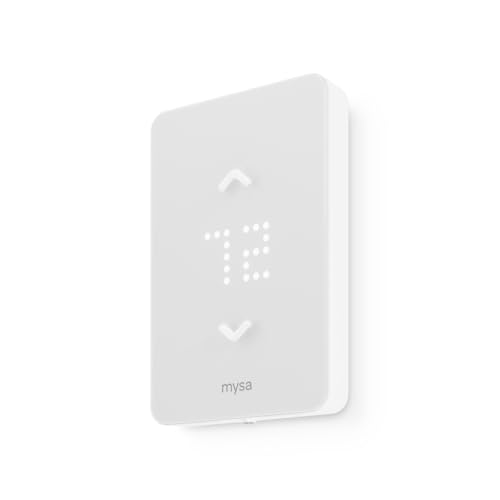
The Mysa Smart Thermostat LITE provides Wi‑Fi connectivity for 120V-240V electric baseboard heaters, fan-forced heaters, and convectors. It enables customizable daily and weekly schedules to cut heating costs and maintain comfort when needed. The system includes remote control, energy reports, and smart integrations with HomeKit, Alexa, and Google, all without subscriptions or fees. This line‑voltage option is ideal for retrofit installations where builders want modern automation without altering existing wiring extensively.
Environment and energy awareness are central to Mysa’s value proposition. Users can design occupancy-based schedules to reduce usage when away and return to a comfortable temperature on arrival. The device works with the user’s preferred smart home ecosystem, supporting routine automations and voice commands for hands‑free control. While installation requires caution with high‑voltage wiring, the setup is well-documented for DIY enthusiasts who follow standard electrical safety guidelines.
EZ-HEAT 1,500W Baseboard Space Heater with Thermostat

EZ-HEAT CZ600 combines solid heating performance with user‑friendly controls. The 1500W convection baseboard heater comes with two heat settings and an adjustable thermostat, allowing tailored comfort for medium‑sized rooms. Built‑in safety features include a tip‑over switch, stay‑cool housing, and overheat protection to prevent hazards. The unit is designed for quiet operation, which helps maintain a peaceful environment in bedrooms or living areas. This option is suitable when you want a straightforward, affordable baseboard heater with reliable manual control and safety safeguards.
From a reliability perspective, EZ-HEAT emphasizes practical safety and ease of installation. The stay‑cool design helps prevent accidental contact burns, and the tip‑over switch provides automatic shutoff in case of tipping. While it doesn’t include Wi‑Fi or app connectivity, its robust construction and simple thermostat controls make it a dependable choice for homes prioritizing low‑tech, predictable heating with minimal maintenance.
Comfort Zone Electric Baseboard Space Heater

Comfort Zone presents another 1500W baseboard option designed for medium rooms, with adjustable thermostat control and two heat settings. The heater emphasizes efficient, customizable heating alongside safety features like a tip‑over switch and overheat protection. The stay‑cool body mirrors industry standards to help prevent burns and improve handling safety. Quiet operation supports a calm indoor environment, making it a practical choice for bedrooms, offices, or living spaces where steady warmth is desired without disruptive noise.
The Comfort Zone unit is well‑suited for homeowners seeking straightforward installation with dependable performance. While it doesn’t offer smart home connectivity, its durability and clear safety features make it a solid choice for renters or spaces where smart features aren’t a priority. It combines robust heating with a simple interface for reliable day‑to‑day use.
Dreo Smart Wall Heater WH719S

Dreo WH719S combines a 1500W heater with smart features and a 120° vertical oscillation pattern to distribute warmth evenly. The adjustable thermostat supports precise temperature control, while a remote control and a 24‑hour timer enhance scheduling flexibility. Its compatibility with Alexa and Google Home enables voice control, and the Dreo app allows operation from anywhere, making it a modern choice for living rooms, bedrooms, and home offices. The wide oscillation helps improve heat coverage in larger or irregular spaces, reducing cold spots.
From a performance perspective, WH719S offers rapid warm‑up and consistent distribution. The 1°F precision in temperature control helps maintain comfort with minimal fluctuations. While it relies on wireless connectivity for full benefits, the unit remains functional as a standalone heater with manual controls if networks are unavailable. Its design prioritizes ease of mounting and a clean, contemporary appearance that fits various interior styles.
Honeywell Home RLV4305A1000 Programmable Thermostat

The Honeywell RLV4305A1000 is a digital 5‑2 day programmable thermostat designed for electric baseboards and convectors. It is recognized for high accuracy (±0.27°F) and silent operation due to TRIAC switching, which helps stabilize room temperatures with minimal noise. Its programmable weekly schedule enables better energy management by aligning heating with daily routines. The device is well‑suited for homes that prefer a stable, pre‑set heating plan without requiring smart home connectivity.
Some users value its precision and reliability in maintaining consistent temperatures. However, this model lacks built‑in Wi‑Fi or voice control, which means automations must rely on physical settings or external smart hubs. For households already invested in a non‑smart heating setup, this thermostat offers improved control without network dependencies, while still supporting manual adjustments when needed.
Buying Guide: Key Purchase Considerations For Baseboard Heater Controls
- Voltage compatibility: Ensure the controller supports your baseboard heater’s voltage (120V or 240V). Some models cover both, but verify before wiring.
- Control type: Decide between smart wifi/app controls (offers scheduling, energy insights, voice control) and traditional manual thermostats (reliable, no connectivity). Some devices blend both worlds with hybrid approaches.
- Room size and heat distribution: Larger rooms benefit from models with wider distribution or programmable zoning capabilities, while smaller spaces can work well with simpler controls.
- Safety features: Look for tip‑over switches, overheat protection, and stay‑cool housings. These reduce fire and burn risks in busy homes or with children and pets.
- Installation and compatibility: Some controls require professional wiring, especially line‑voltage devices. Check mounting options, wiring diagrams, and whether the unit fits the heater’s end panels or enclosure.
- Energy management: Smart thermostats and timers help reduce usage when space is unoccupied. Consider energy reports, occupancy sensing, and integration with your preferred smart home ecosystem.
- Reliability and maintenance: Durable housings and quiet operation minimize noise complaints and maintenance needs. Check for replaceable parts and warranty terms.
- Future expansion: If you plan to automate more rooms, choose a system compatible with multiple devices or a single app ecosystem to simplify controls.
Why Choose A Baseboard Heater Control?
Baseboard heater controls help balance comfort and energy savings. Smart options can optimize heating schedules for workdays and weekends, ensuring homes stay warm without wasting energy. Traditional thermostats still offer dependable performance, especially where simple, reliable operation is valued. When selecting a model, consider how much you value remote access, voice control, and detailed energy reporting versus straightforward manual adjustments.
Additional Perspectives To Consider
For renters or homeowners in retrofit projects, line‑voltage smart thermostats may offer the best blend of modern control with existing heating systems. In spaces with high foot traffic or noise sensitivity, models emphasizing quiet operation and safe, stay‑cool housing can reduce disturbances. In rooms used primarily in evenings, programmable thermostats with reliable scheduling can help regulate overnight warmth without manual intervention.
Conclusion-Free Product Summary
The five tested baseboard heater controls cover a spectrum from fully integrated smart systems to traditional programmable thermostats. Whether prioritizing app control, voice assistants, or predictable manual operation, each option aims to improve comfort and energy efficiency across American homes. Assess voltage compatibility, safety features, and installation requirements to select the best fit for your space.
Buying Guide: Practical Comparisons At A Glance
- Smart vs. Manual: If you want remote control and energy insights, lean toward a smart thermostat like Mysa. If you prefer simple, reliable operation, a programmable or manual thermostat may suffice.
- Energy Savings: Look for occupancy-based scheduling and energy reports. These features help identify patterns and optimize usage over time.
- Safety: Favor models with tip‑over switches and overheat protection for hot‑spot areas or homes with children and pets.
- Installation: Check wiring requirements. High‑voltage (line voltage) devices may require professional installation, while some models are DIY compatible.
- Future Proofing: Consider ecosystems you already use (Alexa, Google, HomeKit) and whether you want to expand to multiple rooms or devices in the future.