The following selections focus on 30-inch electric baseboard heaters that deliver steady warmth, simple installation, and reliable safety features. Whether you’re upgrading an existing system or outfitting a new space, these models from reputable brands offer compact profiles, solid heat output, and easy thermostat compatibility. Below are five strong options with key specs to help you compare performance, installation, and long-term value.
| Product | Brand | Approximate BTU | Voltage | Notes |
|---|---|---|---|---|
| MOLLIFII 30″ Electric Baseboard Heater | MOLLIFII | 1710 BTU | 120V | 500W, white, 30 in |
| Dimplex LC3010W31 30″ Baseboard Heater | DIMPLEX | 1000W ~ 3400 BTU (range depending on model) | 240V | Top heat discharge, sleek design, compact |
| Cadet 2F500-8W 30″ Electric Baseboard Heater | Cadet | 500W ~ 1710 BTU | 208V | Easy installation, universal wiring |
| Cadet 2F500-1W 30″ Electric Baseboard Heater | Cadet | 500W ~ 1710 BTU | 120V | Pre-punched knockouts, durable steel |
| Comfort Zone CZ600 60Hz 1500W Baseboard | Comfort Zone | 1500W | 120V | Adjustable thermostat, safety features |
Note: BTU ranges vary by voltage and wattage; always verify the exact model specifications to match room size and climate needs.
Product Sections
MOLLIFII 30 Inch Electric Baseboard Heater

The MOLLIFII 30-inch baseboard heater provides a compact, space-saving configuration for zone heating in bedrooms, offices, or small living areas. With a 500W rating at 120V, it delivers about 1710 BTU, enough to warm mid-sized spaces when paired with proper insulation. The unit’s white finish blends with most décors, and its slim profile minimizes visual impact on walls and baseboards. Installation is straightforward for standard electrical setups, and the model emphasizes reliable operation in residential environments.
Dimplex LC3010W31 30″ Linear Convector Baseboard Heater

The Dimplex LC3010W31 combines a modern look with performance benefits optimized for fast, even heat distribution. The 30″ linear convector is designed to move warm air quickly across center of the room, reducing cold spots. Features include a shark-fin blade design that improves heat transfer, quiet operation, and a heater length kept compact for flexible placement. It’s a suitable choice when you want a sleek profile without sacrificing heating capacity in small-to-medium rooms.
Cadet 2F350W 24″ Electric Baseboard Heater
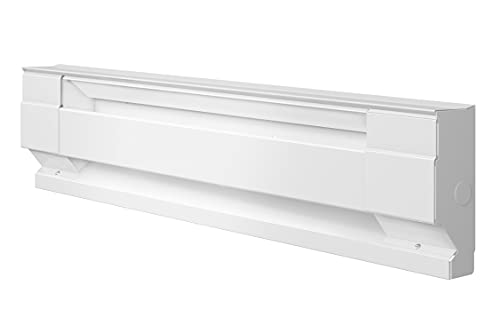
While this Cadet model is 24″ long, its inclusion helps illustrate the range of baseboard dimensions available from Cadet. It operates with 350W at 240/208V and provides a modest BTU output suitable for compact spaces or supplementary heating. Installation benefits include pre-punched knockouts and universal wiring options, making it a practical choice when a 24″ option better fits a tighter wall span or a specific room layout. It’s important to assess room size and insulation to determine if this length suffices.
Cadet 2F500-1W 30″ Electric Baseboard Heater
The Cadet 2F500-1W model brings a 500W, 120V option in a 30″ form factor, offering about 1710 BTU of heat output. It features a practical design with accessible wiring options at either end, making it suitable for rooms where wiring flexibility matters. The unit emphasizes durable steel construction and compatibility with standard thermostats, enabling straightforward integration into existing heating plans. This model is commonly chosen for mid-sized rooms or as a zone heater in a home office or bedroom.
Cadet 3F750-1W 36″ Electric Baseboard Heater
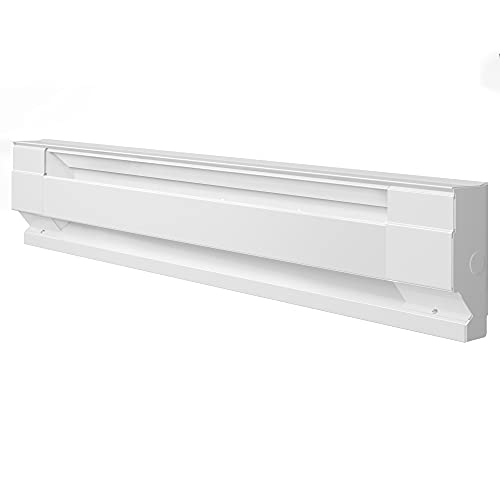
Although it is 36″ long, the Cadet 3F750-1W illustrates how baseboard options scale with room size. With 750W at 120V, it delivers robust warmth for larger spaces or open-plan areas. Its build includes a sturdy metal enclosure and compatibility with thermostats for precise temperature control. For projects where a 30″ unit isn’t sufficient, this model demonstrates what a longer baseboard can achieve in terms of heat distribution and room coverage.
Cadet 4F1000W 48″ Electric Baseboard Heater
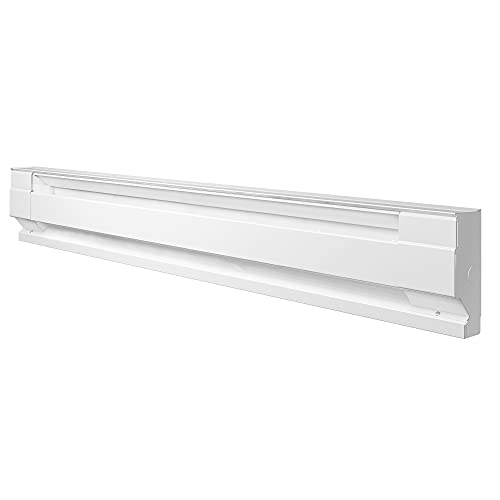
The Cadet 4F1000W is a higher-wattage option at 1000W, tailored for larger rooms while still offering the baseboard design people rely on for bedroom or living areas. The unit supports universal wiring and pre-punched knockouts for easier installation, along with safety features to help prevent overheating. This model provides a useful reference point when sizing a system for medium-to-large spaces, showcasing how longer baseboard lengths accommodate larger heat needs.
Buying Guide: Key Purchase Considerations
- Room size and heat load: Determine the square footage and insulation quality to estimate required BTU. 500W (around 1700 BTU) can heat smaller rooms effectively, while 750–1000W units are better for larger spaces.
- Voltage and electrical compatibility: 120V models are common for single-circuit setups, while 208V/240V options may be needed for higher heat output or existing dedicated circuits. Check home wiring and circuit capacity.
- Thermostat compatibility: Many baseboard heaters pair with line-voltage thermostats. Look for pre-wired ends or easy thermostat integration to facilitate control and zoning.
- Installation considerations: Baseboard heaters require clearance from furniture and curtains, plus secure mounting to studs or recommended mounting surfaces. Pre-punched knockouts simplify wiring.
- Safety features: Overheat protection, tip-over shutoff, and stay-cool surfaces are valuable for homes with children or pets. Ensure the model meets recognized safety standards.
- Style and profile: Slim, white enclosures blend into most rooms. A low-profile or sleek blade design can reduce visual impact while maintaining heat effectiveness.
- Maintenance and longevity: Steel or metal casings offer durability. Look for corrosion resistance and warranty terms that reflect long-term usage expectations.
- Energy efficiency considerations: Baseboard heaters provide steady, zone-specific heat. For energy-conscious homes, pair with programmable thermostats and proper insulation to maximize efficiency.
When selecting a 30-inch baseboard heater, consider whether you prioritize compact size, higher BTU output, or easier installation. The five models highlighted here illustrate a spectrum of wattages, voltages, and design features to suit different room sizes and wiring configurations, helping you balance upfront installation with long-term heating performance.