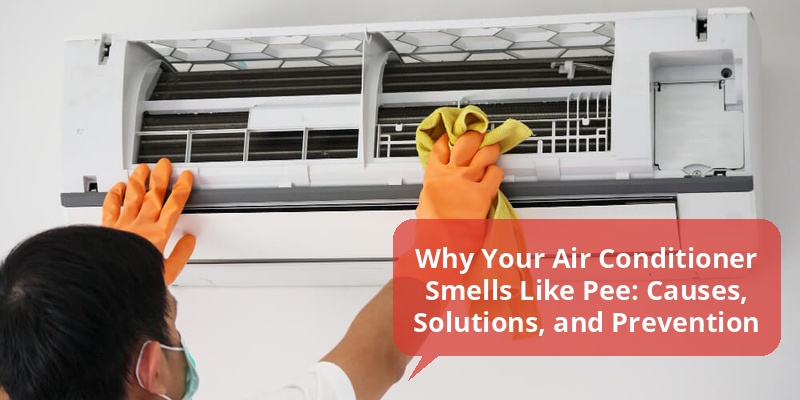
If your air conditioner smells like pee, it’s more than an unpleasant nuisance—it points to underlying issues that can impact comfort, health, and AC performance. This guide explains why AC units develop urine-like odors, how to solve them, and tips for preventing future smells.
Common Causes Of a Pee Smell From Air Conditioners
An AC system should circulate clean, cool air—not strange, foul odors. The following are the most frequent reasons your air conditioner could emit a smell reminiscent of urine:
- Mold And Mildew Growth: Certain types of mold, especially Aspergillus, can produce ammonia-like odors similar to pee.
- Pest Infestation: Rodents or insects sometimes make nests or die inside ducts. Their urine, droppings, or decay can cause strong, pee-like smells.
- Bacteria In Drain Lines Or Pans: Stagnant water in or around the drain pan and lines creates a breeding ground for bacteria that often give off ammonia scents.
- Dirty Air Filters: When filters become saturated with organic debris and moisture, bacteria flourish and the AC can emit foul odors.
- Chemical Reactions: Some AC refrigerants, when leaking or decomposing, react with moisture or organic material to produce pungent, ammonia-like smells.
Identifying the cause accurately is essential for effective odor removal.
Mold, Mildew, And Ammonia Odors In AC Units
How Mold And Mildew Create Pee-Like Odors
Mold and mildew thrive in dark, damp environments. The evaporator coils, drain pans, and ducts inside your air conditioner often fit this description—especially if moisture is not draining properly.
Certain species, like aspergillus, break down organic matter and release volatile organic compounds (VOCs), some of which smell similar to urine or ammonia.
| Mold Type | Characteristic Odor | Common AC Locations |
|---|---|---|
| Aspergillus | Ammonia, musty | Evaporator coils, drain pans |
| Penicillium | Earthy, sharp | Filters, ducts |
| Cladosporium | Musty | Registers, main ducts |
If the AC system isn’t cleaned regularly, spores can circulate through your home, leading to health issues like allergies or asthma symptoms.
Health Risks Of Mold Exposure From AC
- Respiratory Problems: Mold spores can cause allergic reactions, sneezing, coughing, and asthma attacks.
- Eye And Skin Irritation: Red, watery eyes and skin rashes may be triggered by exposure.
- Long-Term Effects: Chronic exposure to indoor mold can cause ongoing respiratory illnesses and worsen existing conditions.
If urine-like smells persist and you suspect mold, professional HVAC cleaning is recommended.
Pest Infestations: Rodents, Insects, And Air Conditioner Odors
How Rodents Cause Pee Smells In AC Systems
Rodents, like mice or rats, may find their way into air ducts or AC units looking for shelter. Their urine is pungent and the smell can intensify as it evaporates, becoming distributed through your home every time the AC runs.
- Nests: Rats and mice use insulation and debris to make nests, leading to lingering odors, especially when soiled with urine.
- Droppings And Dead Pests: Decaying animals and their droppings can produce foul, ammonia-like smells.
- Ineffective Removal: If rodents die inside ducts, the odor can persist for weeks or longer without intervention.
Look for additional signs such as scratching noises, droppings near vents, or visible nesting material.
Insects And Odor Production
Certain insect infestations, like cockroaches, can contribute to a strong, foul smell. Cockroach droppings, pheromones, and carcasses can accumulate in hidden areas, especially if there is moisture present. The combination of decay and waste often results in an odor reminiscent of urine.
Bacterial Growth In Drain Lines, Pans, And Filters
Bacteria In Moist AC Components
Water collects in your AC’s condensate pan and drain lines during regular operation. If these are not cleaned and drained properly, bacteria can flourish, feeding on debris and moisture. The metabolic byproducts often smell like ammonia or urine.
- Blocked Drain Lines: Algae or slime buildup inside drain lines blocks water flow, creating stagnant, bacteria-friendly conditions.
- Overflowing Drain Pans: A full or overflowing pan allows bacteria and mold to multiply quickly.
- Poor Airflow: Clogged or dirty air filters trap humidity and particles, providing fertile ground for microbial growth and bad smells.
Routine inspection and cleaning of these components can prevent odor-causing bacterial contamination.
Refrigerant Issues And Chemical Odors
When Refrigerants Cause Ammonia-Like Smells
Most modern ACs use non-ammonia refrigerants (like R410A), but older units or rare malfunctions may develop a refrigerant leak. If refrigerant interacts with metal or organic material inside the system, it can create strong chemical odors, including ammonia-like scents.
- Signs Of A Leak: Hissing noises near the indoor or outdoor unit, reduced cooling, and chemical smells point to a refrigerant issue.
- Health Risks: Refrigerant inhalation is dangerous—any suspicion of a leak requires immediate professional attention.
A qualified HVAC technician can diagnose leaks and repair lines or coils as needed. Do not attempt to handle refrigerants yourself, as they are hazardous.
How To Remove Urine-Like Smells From Your Air Conditioner
Step-By-Step Odor Removal Process
- Turn Off The AC and unplug the unit before any inspection or cleaning.
- Inspect And Replace Air Filters: Remove old filters and replace with new, high-quality HEPA filters to trap odors and contaminants.
- Clean The Evaporator Coils: Use a coil cleaner or a solution of water and mild detergent. Rinse thoroughly to remove mold and mildew buildup.
- Clear Condensate Drain Lines And Pan: Flush lines with a vinegar solution to kill bacteria and algae. Empty, scrub, and disinfect the drain pan.
- Check Inside Ductwork: Look for visible mold, rodent nests, or dead pests. Remove large debris and sanitize with a specialized HVAC disinfectant.
- Address Pest Issues: If rodents or insects are found, set traps, seal entry points, and contact a pest control professional for removal and cleanup.
- Run The AC On Fan-Only Mode after cleaning, with windows open if possible, to air out any residual odors.
- Install UV Lights: For homes prone to mold, HVAC UV lights inside air handlers can help sterilize bacteria and mold as air passes through.
Prompt cleaning and inspection is the best way to permanently remove urine-like odors from your AC.
DIY Cleaning Solutions For AC Odor
Homemade Cleaners For Non-Specialists
- Vinegar Solution: Mix 1 cup white vinegar with 1 cup water. Spray on coils, filters, and drain pans to kill bacteria and neutralize smells.
- Baking Soda: Sprinkle a thin layer on damp areas or inside drain pans. Let sit for 20 minutes before wiping clean for odor absorption.
- Hydrogen Peroxide: Use cautiously (in a 3% solution) on non-electrical components to disinfect and remove odors. Rinse thoroughly to prevent corrosion.
- Commercial Enzyme Cleaners: Target pet urine and organic residue, breaking down odor-causing molecules at the source.
Safety Tips For DIY Cleaning
- Always wear gloves and a mask when cleaning mold, mildew, or animal waste.
- Do not mix chemicals (e.g., vinegar and bleach) as this can release harmful fumes.
- Protect sensitive AC parts—follow the manufacturer’s cleaning recommendations to avoid damage.
When To Call An HVAC Professional
While some odors can be managed with cleaning and filter replacement, persistent or severe pee-like smells require professional inspection. Call a certified HVAC technician if you notice any of the following:
- Recurring or worsening odors despite cleaning efforts.
- Visible mold growth that extends beyond accessible components.
- Signs of rodent infestation inside ducts or air handlers.
- Suspected refrigerant leaks or any unfamiliar chemical smells.
- Reduced air flow, unusual noises, or system malfunctions accompanying odors.
A professional can conduct a thorough cleaning, remediate mold, repair leaks, and ensure the air quality in your home is safe.
Preventing Urine Smells In Your Air Conditioner
Regular Maintenance Practices
- Replace Filters Monthly: Use high-efficiency filters and change them routinely, especially during peak cooling season.
- Clean Condensate Lines And Pans: Flush regularly with an AC-safe cleaner to prevent bacterial and mold buildup.
- Inspect System For Leaks Or Standing Water: Address even minor water accumulation quickly to avoid microbial growth.
- Seal Ducts: Ensure no gaps or holes that could allow pests easy entry.
- Keep Vents And Area Around AC Clean: Clear dust and debris to minimize organic material buildup.
- Schedule Annual HVAC Service: Professional inspections and tune-ups catch early issues before odors develop.
Controlling Humidity Indoors
Maintaining indoor humidity below 60% discourages mold growth and keeps the AC running efficiently. Use dehumidifiers in particularly humid climates or seasons.
Frequently Asked Questions About AC Odors
| Question | Answer |
|---|---|
| Is a pee smell from the AC dangerous? | While the odor itself is not toxic, it’s a sign of mold, bacteria, or pest contamination, which can pose health risks. |
| How fast should you address the odor? | Address it within a day or two. Letting smells linger can worsen mold or pest issues. |
| Can air fresheners solve AC pee smell? | No—air fresheners mask odors but do not solve the underlying problem. Clean and maintain the system instead. |
| Will cleaning the ducts remove the smell? | If the cause is in the ducts, professional cleaning will help. If odors persist, other AC components need attention. |
Best Products For Eliminating AC Odors
Recommended Products
- HEPA Replacement Filters: Trap fine particulates, pollen, mold spores, and dander, reducing odor at the source.
- Coil And Fin Cleaners: Specialized foaming sprays remove grime and mold from AC coils without damaging metals.
- Drain Line Cleaning Tablets: Safe, slow-dissolving tablets help keep lines clear of algae and bacterial buildup.
- Enzymatic Odor Neutralizers: Effective on both organic (rodent/insect) and microbial odors, break down lingering smells inside ducts or pans.
- HVAC UV Light Systems: These devices sterilize air handlers and prevent mold regrowth inside AC units.
Choose products rated for your specific type of air conditioner and always follow manufacturer instructions for application.
How To Tell If The Smell Is From Your Air Conditioner
- Smell Intensifies When AC Runs: Odor is stronger with the system running, but fades when it’s off.
- Odor From Vents: Pee-like smell is strongest near return or supply vents.
- Odor Localized Around AC Unit: If the indoor or outdoor unit area is especially strong-smelling, the system is likely the source.
- Location Of Other Possible Causes: Ensure that pets or unrelated home odors are not responsible before focusing on the AC.
The Cost Of Fixing AC Odors In The United States
Minor odor issues caused by dirty filters or drain pans may cost less than $50 to fix if you do the work yourself. Professional duct cleaning or AC disinfection ranges between $150 and $400. If pest removal or mold remediation is necessary, costs may climb above $1,000 depending on the extent of damage.
| Service | Average Cost Range |
|---|---|
| DIY Filter & Drain Pan Cleaning | $10–$50 |
| Professional HVAC Inspection | $75–$200 |
| Duct Cleaning | $250–$500 |
| Mold Remediation | $500–$2,500 |
| Pest Removal | $100–$500 |
| Refrigerant Leak Repair | $200–$1,500 |
Regular maintenance and prompt attention to odors are the most cost-effective strategies.
Key Takeaways For AC Urine Odor
- A persistent pee smell from your air conditioner is often from mold, bacteria, or pest contamination.
- Proactive cleaning and filter changes are the first steps to resolving odors.
- If DIY cleaning doesn’t work, schedule professional HVAC diagnostics and cleaning.
- Yearly maintenance helps prevent future odor and keeps your AC running efficiently and safely.