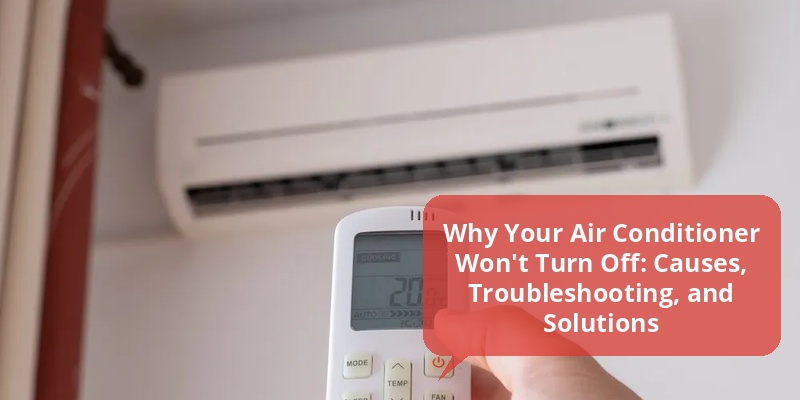
For many American homeowners, an air conditioner that won’t turn off can be confusing and costly. If your AC keeps running constantly, it not only spikes energy bills but may signal underlying issues. This guide explores common reasons why an AC won’t shut off, proven troubleshooting steps, and effective solutions tailored to keep your home comfortable and efficient. Quickly pinpointing and addressing the problem can help you avoid expensive repairs and maximize your air conditioner’s lifespan.
| Potential Cause | Common Symptoms | Recommended Action |
|---|---|---|
| Malfunctioning Thermostat | Incorrect temperature readings; AC runs continuously | Test and replace thermostat as needed |
| Dirty Air Filter | Reduced airflow, longer run times | Replace or clean air filter |
| Stuck Relay or Contact | AC won’t respond to controls | Inspect and repair electrical components |
| Incorrect Thermostat Settings | Fan set to ON, very low temp set point | Adjust thermostat programming |
| Refrigerant Issues | Insufficient cooling, freezing coils | Call a licensed HVAC professional |
| Oversized or Undersized Unit | Inconsistent temperature or never shuts off | Consult for correct sizing and installation |
Primary Causes Of An AC That Won’t Turn Off
Malfunctioning Thermostat
One of the most common reasons an air conditioner won’t turn off is a faulty thermostat. If the thermostat fails to accurately register the ambient temperature, it may signal the AC to keep running—even after your home has cooled. Thermostat wiring issues or dead batteries can also create persistent running. Testing your thermostat or installing a new one may resolve the issue quickly.
Dirty Or Clogged Air Filter
A dirty or clogged air filter reduces airflow, forcing the system to work harder and run longer cycles. Restricted air movement means your AC struggles to cool the space efficiently, causing it to stay on more than necessary. Replacing the filter every 1-3 months is a simple way to avoid this common problem and enhance air quality.
Stuck Relay Or Electrical Contact
AC units rely on relays and electrical contacts to start and stop the fan or compressor. If a relay becomes stuck, the circuit remains closed and the unit stays powered. This issue often needs professional inspection since improper handling can present safety risks. Timely repair of electrical components ensures safe operation.
Improper Thermostat Settings
Sometimes, a constantly running air conditioner is due to incorrect thermostat settings. If the fan is set to “ON” instead of “AUTO,” it will run without stopping, regardless of cooling demand. Also, programming the temperature too low, especially during summer, causes the system to work overtime.
Low Or Leaking Refrigerant
If the refrigerant is low or leaking, the AC unit cannot remove heat effectively, prolonging run time as it attempts to reach the set temperature. Refrigerant issues require professional attention—an HVAC technician can diagnose leaks, recharge refrigerant, and restore cooling efficiency.
Incorrectly Sized AC System
Improperly sized units contribute to ongoing issues. An oversized system cools too rapidly and does not cycle off properly, while an undersized system runs constantly but fails to reach the desired temperature. A load calculation by a qualified specialist ensures the right match for your home.
How A Continuously Running AC Impacts Your Home
Ignoring an air conditioner that won’t turn off can lead to several negative outcomes. Besides creating discomfort, running the AC non-stop increases energy consumption, wears out vital components prematurely, and may allow humidity to rise indoors. These problems reduce the lifespan of your equipment and can demand extensive, costly repairs over time.
- Higher Utility Bills: Constant operation can double or triple monthly costs.
- Decreased Comfort: Poor temperature control or excess humidity can cause discomfort.
- Equipment Damage: Prolonged running strains the compressor and fan motors, shortening equipment life.
- Poor Indoor Air Quality: Dirty filters recirculate dust, pollen, and allergens.
- Risk Of Water Damage: Frozen coils may thaw and cause leaks in the home.
Step-By-Step Troubleshooting For An AC That Won’t Shut Off
Before calling a technician, homeowners can perform several troubleshooting steps to narrow down the problem. Follow these guidelines to safely inspect and potentially resolve why your air conditioner won’t turn off.
Step 1: Check Thermostat Settings
Ensure your thermostat is set to “COOL” and the fan is set to “AUTO,” not “ON.” A fan set to “ON” will run continuously, even when cooling isn’t needed. Also, verify the set temperature matches your cooling needs and isn’t set extremely low.
Step 2: Inspect The Air Filter
Locate the air filter—typically behind a return air grill or inside the HVAC unit. Remove and inspect for visible dirt or debris. If it’s darkened or completely clogged, replace it with a suitable replacement. Regular filter changes help your AC cycle normally.
Step 3: Examine The Thermostat Function
Test the thermostat by setting the temperature above your current room temperature. The AC should respond by shutting off within a few minutes. If not, check the wiring and batteries. If the issue persists or the thermostat display is erratic, consider a replacement.
Step 4: Look For Electrical Issues
Examine the electrical panel and AC control board for tripped breakers, corrosion, or burned smells. Stuck relays or faulty contactors may cause the system to run without stopping. Turn off power at the breaker before inspection. If you’re unfamiliar with electrical components, consult a professional to prevent injury.
Step 5: Inspect Indoor And Outdoor Units
Obstructions or heavy debris around the outdoor condenser can impede heat exchange, causing the compressor to run longer. Clear away leaves, dirt, or nearby clutter. Inspect the indoor evaporator coil for ice or moisture buildup, signaling underlying problems like refrigerant leaks or airflow restrictions.
Step 6: Observe For Refrigerant Problems
Listen for hissing sounds or check for oily residue around the AC lines, indicating a refrigerant leak. Ice formation on the evaporator coil is another sign. Do not attempt to fix refrigerant issues yourself—these require certified professionals due to environmental and safety regulations.
When To Call A Professional HVAC Technician
Some problems are straightforward, but others demand the expertise of a professional. If you observe any of the following, it’s time to schedule a service call:
- Repeated failure of the unit to shut off after filter and thermostat checks
- Unusual noises, burning odors, or visible electrical damage
- Persistent refrigerant leaks or ice on the coils
- Ineffective cooling despite lengthy run times
- Suspected wiring or control board problems
Licensed HVAC technicians use specialized tools to quickly diagnose issues, check for proper refrigerant levels, and repair or replace electrical components safely. Routine preventative maintenance from a professional keeps your system running efficiently for years to come.
Proactive Maintenance To Prevent Constant AC Operation
Regular Filter Replacement
Among the most cost-effective solutions is replacing or cleaning the air filter every 1-3 months. This simple habit prevents many airflow-related problems that cause an air conditioner to run nonstop.
Professional System Inspection
An annual professional tune-up includes cleaning, lubricating moving parts, measuring refrigerant charge, and inspecting electrical connections. Regular inspections catch potential issues before they cause system failures or extended run times.
Keep Outdoor Units Clear
Trim plants, clear debris, and provide at least two feet of clearance around your outdoor condenser. Clean coils transfer heat more efficiently, allowing your system to cycle properly and avoid overworking.
Upgrade Your Thermostat
Consider installing a smart thermostat, which provides precise scheduling, remote control, and adaptive learning features. Smart thermostats can reduce unnecessary cycling, save on energy bills, and increase home comfort.
The Role Of Climate And AC Sizing In Continuous Operation
Regional Climate Demands
In especially hot and humid regions, such as the southern United States, systems may run longer during peak heat waves. However, if your AC does not cycle off at all, even at night or moderate temperatures, there’s likely a malfunction or sizing issue.
Proper Sizing And Installation
HVAC professionals conduct a Manual J load calculation to match unit size to the home’s square footage, insulation, windows, and sun exposure. An incorrectly sized unit leads to constant operation and uncomfortable indoor conditions. Retrofitting or replacing the AC with the correct size improves performance and energy efficiency.
Common Questions About Air Conditioners That Won’t Turn Off
Is It Dangerous If My AC Won’t Turn Off?
Continuous operation itself isn’t immediately dangerous but can result in electrical damage or fire hazards if caused by faulty wiring or controls. High humidity and water leaks may also cause mold or water damage.
Can A Faulty Thermostat Be Repaired?
Simple issues such as dead batteries or minor wiring problems can be easily fixed. If the thermostat is old, malfunctioning, or no longer compatible with your system, full replacement is often more cost-effective.
Should I Turn Off The AC At The Breaker If It Won’t Shut Off?
If the system is unresponsive to your thermostat or controls, you can shut off power at the breaker as a temporary measure while contacting a technician. Do not leave the breaker off for extended periods in summer heat without proper ventilation at home.
Enhanced Solutions For Persistent AC Problems
Upgrade To Energy-Efficient Systems
If your system struggles to cycle properly and is over 10-15 years old, upgrading to a new, high-efficiency unit may solve persistent problems for good. Modern systems offer variable-speed compressors, advanced controls, and improved energy performance.
Consider Zoning Or Ductwork Improvements
Homes with inconsistent cooling or an AC that never shuts off in some zones may benefit from duct sealing, redesign, or installation of a zoning system. This ensures conditioned air is delivered efficiently throughout your home without overburdening the equipment.
How To Find Reputable AC Service Providers
- Look for certified technicians with North American Technician Excellence (NATE) or EPA 608 credentials.
- Read online reviews on Bing, Google, and the Better Business Bureau for real customer feedback.
- Ask for written estimates and warranty details before agreeing to repairs.
- Choose locally licensed and insured companies to ensure accountability and quality workmanship.
Energy-Saving Tips While Addressing AC Issues
- Use Ceiling Fans: Supplement cooling to reduce AC demand while troubleshooting.
- Seal Windows & Doors: Prevent cooled air from escaping and hot air from entering.
- Close Blinds During Peak Sun: Reduces heat gain and workload for your AC.
- Adjust Thermostat Setpoints: Set temperatures to the highest comfortable setting to limit run times.
- Schedule Regular Maintenance: Keeps your unit running efficiently all season long.
Summary
An air conditioner that won’t turn off results from causes ranging from simple filter clogs to complex electrical or refrigerant problems. By following structured troubleshooting and regular preventative maintenance, American homeowners can boost comfort, save on energy, and preserve their valuable HVAC investment. For stubborn issues, rely on licensed technicians to restore safe and efficient operation.