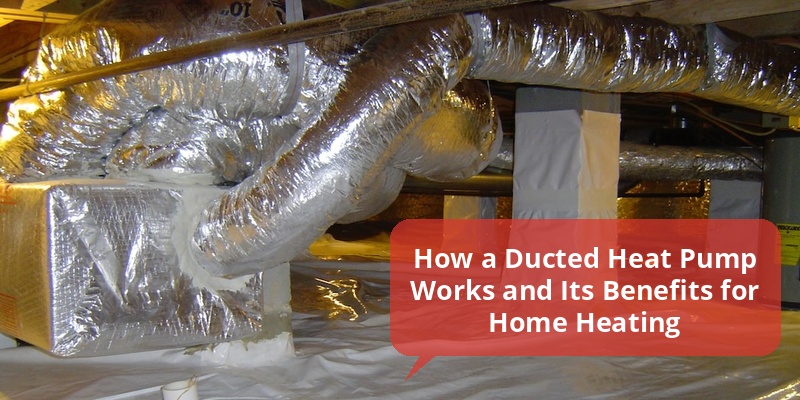
A ducted heat pump is an advanced heating and cooling solution that uses a centralized system to regulate indoor air temperature efficiently. It distributes conditioned air through a network of ducts, providing consistent comfort throughout a home or building. This technology leverages heat transfer principles to heat or cool spaces with significantly less energy consumption than traditional systems.
| Feature | Description |
|---|---|
| System Type | Centralized heating and cooling with air ducts |
| Energy Efficiency | High efficiency due to heat transfer process |
| Applications | Residential and commercial buildings |
| Key Components | Outdoor unit, indoor air handler, ductwork |
| Climate Suitability | Effective in moderate to cold climates |
How Ducted Heat Pumps Operate
Ducted heat pumps function by extracting heat from outside air and transferring it indoors during the heating season. Conversely, they remove indoor heat to cool the space when outdoor temperatures rise. The main components include an outdoor compressor unit, an indoor air handler, and an extensive duct system that circulates air evenly throughout the property.
The heat pump cycle relies on refrigerant fluid that absorbs and releases heat as it circulates. During heating, the refrigerant draws heat from outside air, which is then compressed to a higher temperature before being distributed via the ducts. When cooling, the cycle reverses, extracting heat from inside and expelling it outdoors.
Key Components of a Ducted Heat Pump System
- Outdoor Unit: Houses the compressor and condenser, responsible for heat exchange with the environment.
- Indoor Air Handler: Contains the evaporator coil and blower fan which distribute conditioned air through the ducts.
- Ductwork: Network of insulated channels installed within walls or ceilings that carry heated or cooled air to different rooms.
- Thermostat and Controls: Allow precise temperature control and system programming for energy savings and comfort.
Benefits of Installing a Ducted Heat Pump
Ducted heat pumps provide several advantages over traditional heating systems such as furnaces and electric baseboards.
- Energy Efficiency: Uses less electricity by moving heat instead of generating it, which can reduce utility bills substantially.
- Year-Round Comfort: Provides both heating and cooling, eliminating the need for separate air conditioning units.
- Uniform Temperature Distribution: Ducts deliver air evenly, minimizing cold spots and improving overall comfort.
- Environmentally Friendly: Lower greenhouse gas emissions compared to fossil fuel-based systems.
- Quiet Operation: Indoor units operate quietly, enhancing comfort inside the home.
Considerations for Choosing a Ducted Heat Pump System
When selecting a ducted heat pump, several factors should be evaluated to ensure optimal performance and satisfaction.
- Climate Compatibility: Suitable for mild to cold climates, but extreme cold may require a supplemental heating source.
- Installation Complexity: Requires professional installation of ductwork and system components; best suited for new construction or major renovations.
- Upfront Cost: Higher initial investment compared to traditional systems but offers savings through lower operating costs over time.
- Space Requirements: Adequate space needed for ductwork and indoor air handler placement.
- System Sizing: Must be appropriately sized to the building’s heating and cooling load for maximum efficiency.
Comparing Ducted Heat Pumps to Other HVAC Systems
| System Type | Efficiency | Installation Cost | Comfort Level | Maintenance |
|---|---|---|---|---|
| Ducted Heat Pump | Very High | High | Consistent Indoor Temperature | Moderate |
| Furnace (Gas or Electric) | Moderate | Moderate | Good Heating Only | Moderate |
| Window or Split AC Unit | Moderate | Low | Localized Cooling | Low |
| Electric Baseboard Heating | Low | Low | Localized Heating | Low |
Maintenance Tips for Ducted Heat Pump Systems
Proper maintenance ensures ducted heat pumps operate efficiently and prolongs their lifespan.
- Regular Filter Replacement: Change air filters every 1-3 months to maintain airflow and indoor air quality.
- Annual Professional Inspection: Have a certified technician check the system, clean coils, and inspect duct integrity.
- Duct Cleaning: Clean ducts periodically to remove dust and debris that reduce system efficiency.
- Thermostat Calibration: Ensure thermostat sensors work accurately to prevent unnecessary cycling.
- Outdoor Unit Clearance: Keep the outdoor unit free from obstructions such as leaves or snow buildup.
Energy Savings and Environmental Impact
Ducted heat pumps significantly reduce energy consumption by transferring heat rather than generating it. This process can lower a household’s carbon footprint by decreasing dependence on fossil fuels.
Many models qualify for federal and state rebates or tax incentives promoting energy-efficient appliances, further reducing the cost of ownership. Users benefit from both reduced utility bills and positive environmental impact due to more sustainable energy practices.